
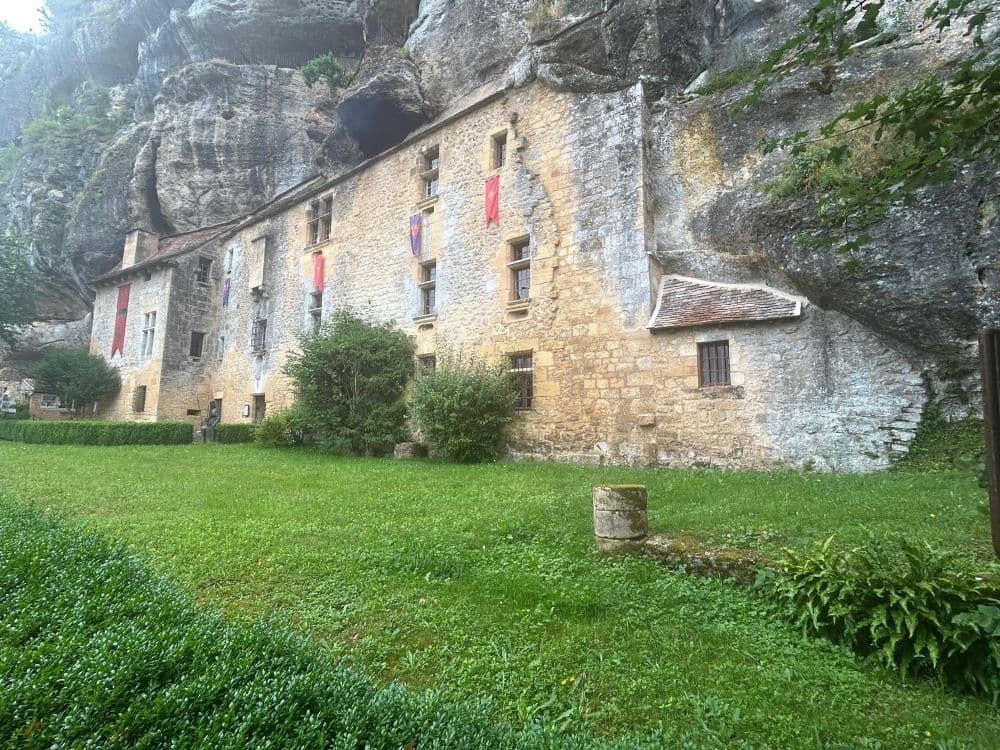
Exploring Maison Forte de Reignac: The Dordogne’s Untouched Troglodyte Castle
Over 700 years hidden in plain sight. Discover the secrets of France’s only intact cliff fortress.
* The gear mentioned in this guide is real technical equipment we use and recommend. Some links are affiliate links. If you purchase through them, you help us keep this project going at no extra cost to you. Transparency above all.
SENSORY CHECK
| 🔊 Noise | 🟡 | (Echoes in enclosed stone rooms, amplified when groups pass by). |
| 👥 Crowds | 🟢 | (Quiet and manageable if you avoid peak season and midday hours). |
| 👁️ Visual Stimuli | 🟡 | (Narrow corridors, contrasting with a sudden burst of bright natural light when stepping out onto the open terraces). |
| 👃 Olfactory Impact | 🟢 | (Mild damp stone scent, typical of historic rock shelters). |
👉 Plan B
When exploring the Périgord Noir, most itineraries point to the same crowded châteaus. However, the Vézère Valley holds one of France’s most remarkable forgotten secrets: the Maison Forte de Reignac.
Built directly into the sheer rock face, this fully intact troglodyte castle offers a raw, unfiltered look into medieval history. It is a striking fortress that remains largely unnoticed by mass tourism, making it a mandatory stop for those looking to experience the authentic scale of a cliffside stronghold in absolute peace.
More Than a Medieval Facade: A 20,000-Year Timeline
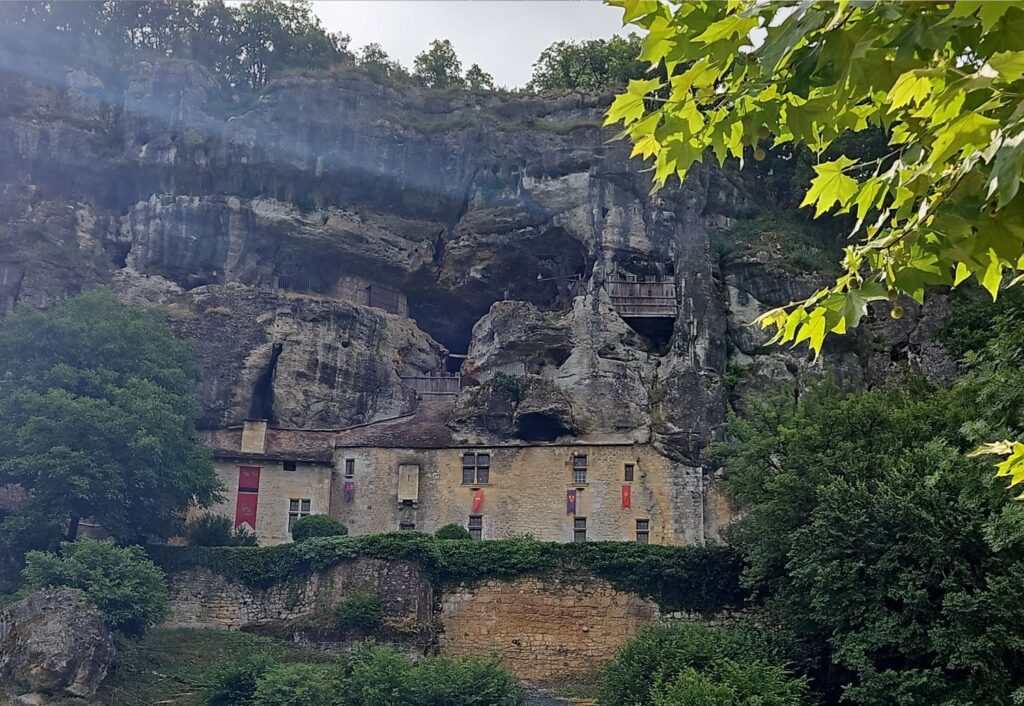
The true fascination of Maison Forte de Reignac lies in its sheer depth and camouflage. What appears to be a standard 14th-century cliffside manor from the outside is actually a sprawling network of natural caves sealed by a stone wall.
This unique design is exactly why it remains the only fully intact “cliff castle” in France today—the rock itself protected it from sieges and destruction. Long before feudal lords claimed it, Cro-Magnon hunter-gatherers used these exact rock shelters for survival over 20,000 years ago. Walking through these halls is a vertical, unfiltered journey through time.
The Prehistoric Foundations
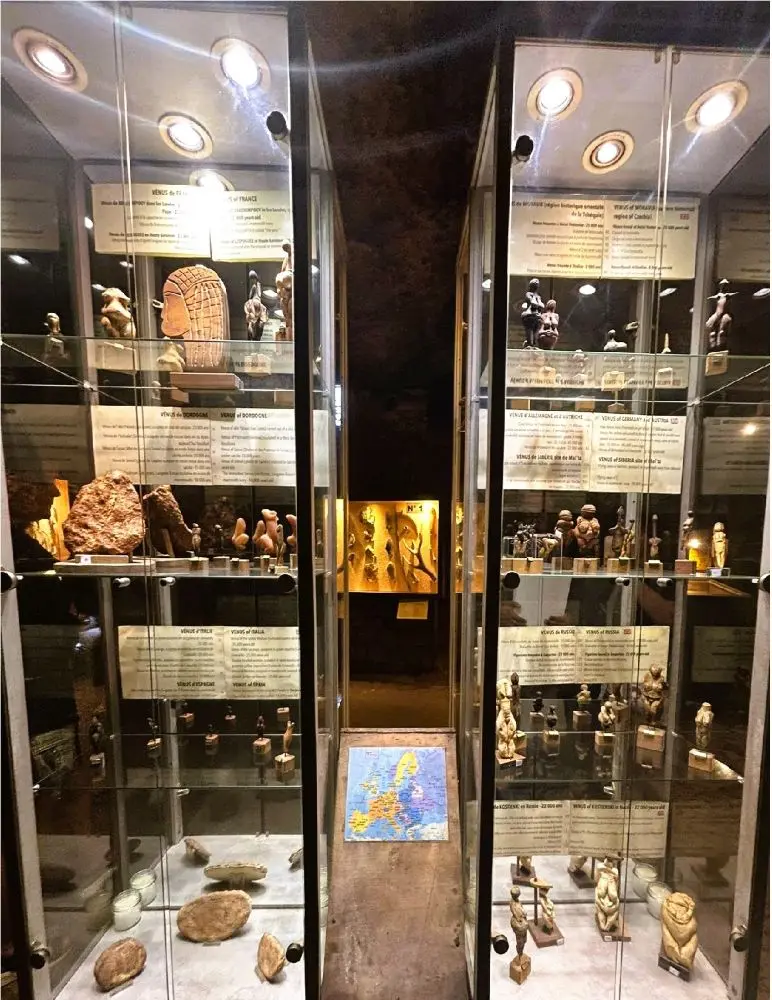
As you descend to the lower levels, you step into the original troglodyte shelter. This was the base settlement for hunter-gatherers seeking natural thermal protection against the harsh Ice Age and its predators. The Vézère Valley is known as Europe’s “Cradle of Humanity,” and this untouched cave proves exactly why.
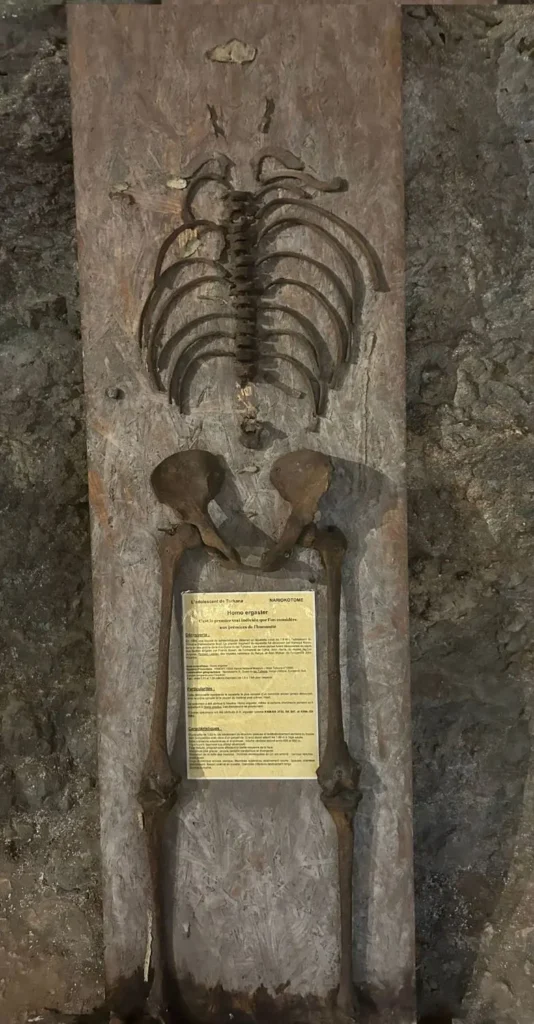
The Paleolithic exhibition features a detailed Homo ergaster skeleton and an impressive collection of ancient Venus replicas. It sets a raw, grounding tone, connecting you to the earth long before you step up into the medieval chapters of the fortress.
Medieval and Renaissance Quarters
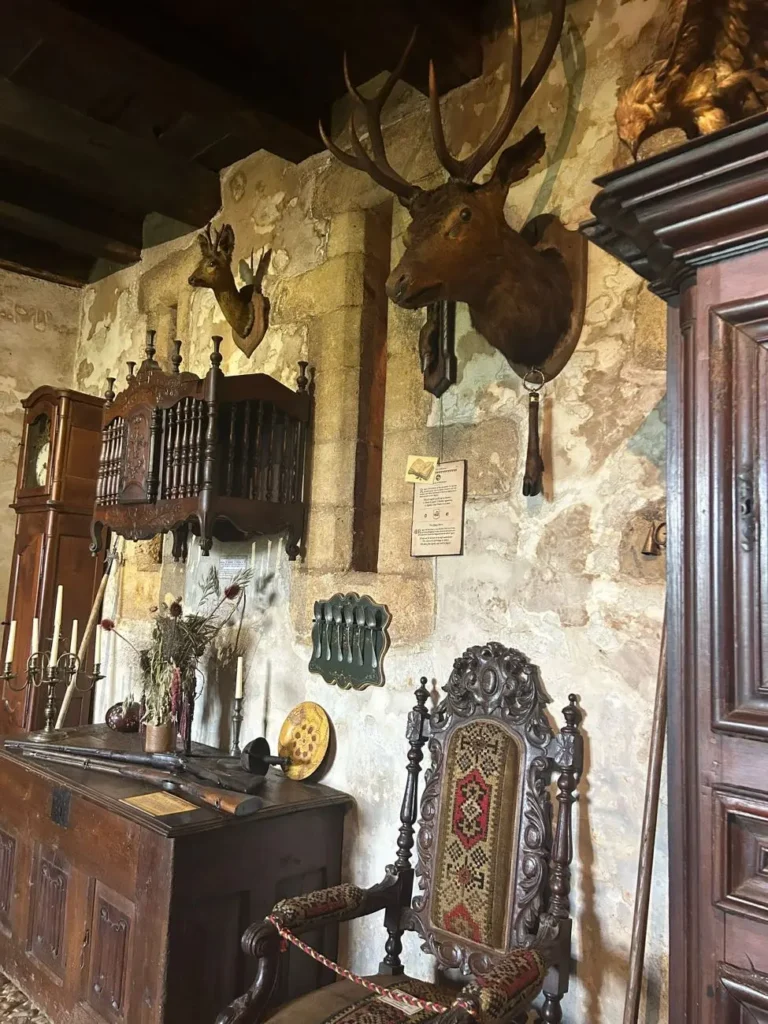
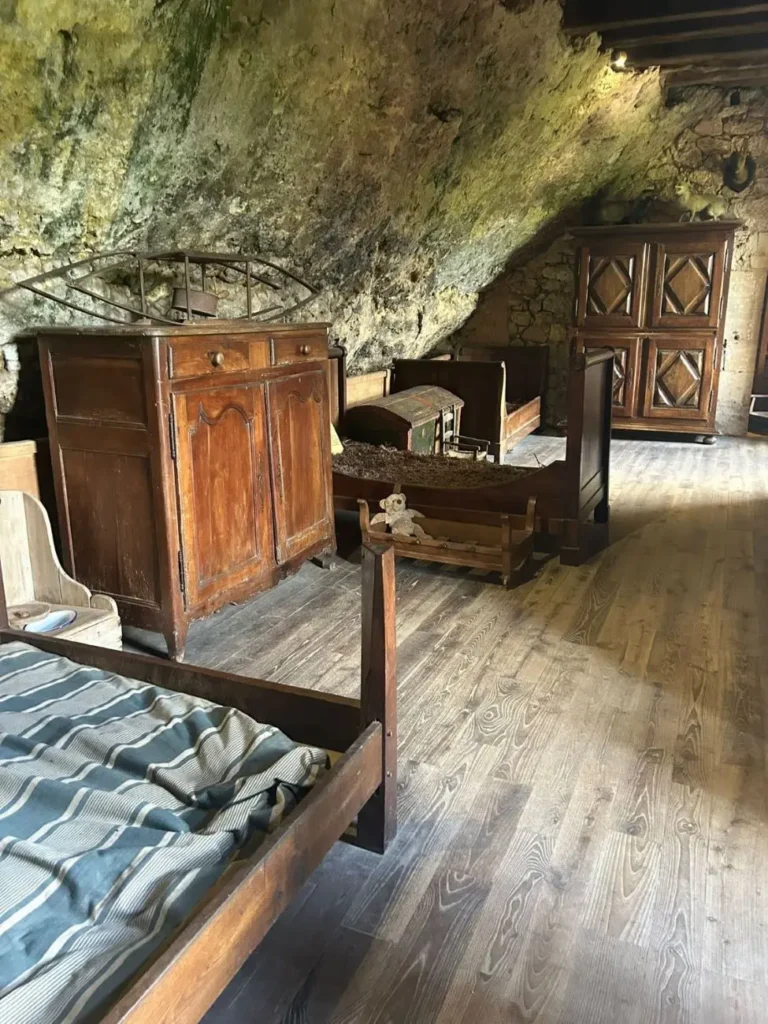
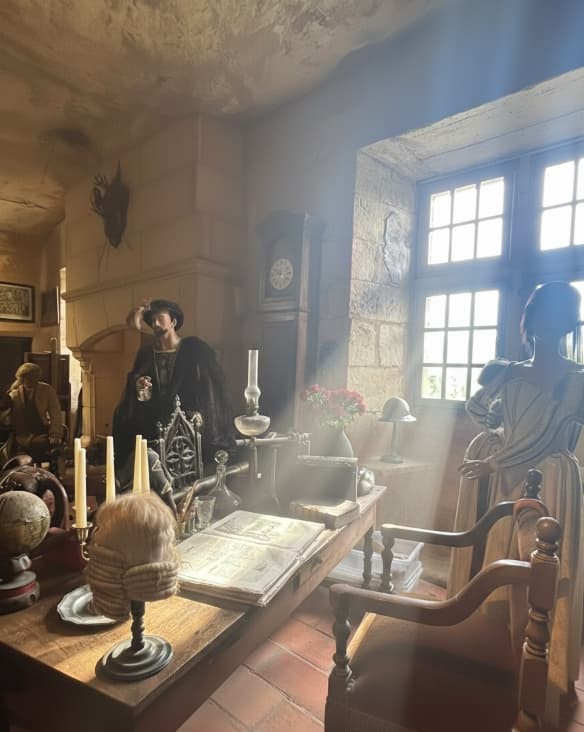
During the Middle Ages, villagers built their homes directly against the cliff, leaving scaffolding holes you can still spot today. But the true “cliff castle” erected in 1386 leveraged a brilliant feature: a natural microclimate. It remains perfectly cool during sweltering French summers and warm in the winter, allowing French nobility to continuously inhabit this fortress until 1931.
The interior delivers a striking visual contrast. You will find delicate aristocratic beds and period artifacts sitting directly beneath massive, unyielding rock ceilings. As you navigate the uneven floors, a dark, cramped dungeon waits to offer a raw reality check of everyday medieval life.
The Dark Side: Torture Exhibition & The “Billy Goat” of Reignac
[Content Note: This section is located at the end of the tour and can be easily bypassed if you are traveling with sensitive children or prefer to avoid grim historical content.] >
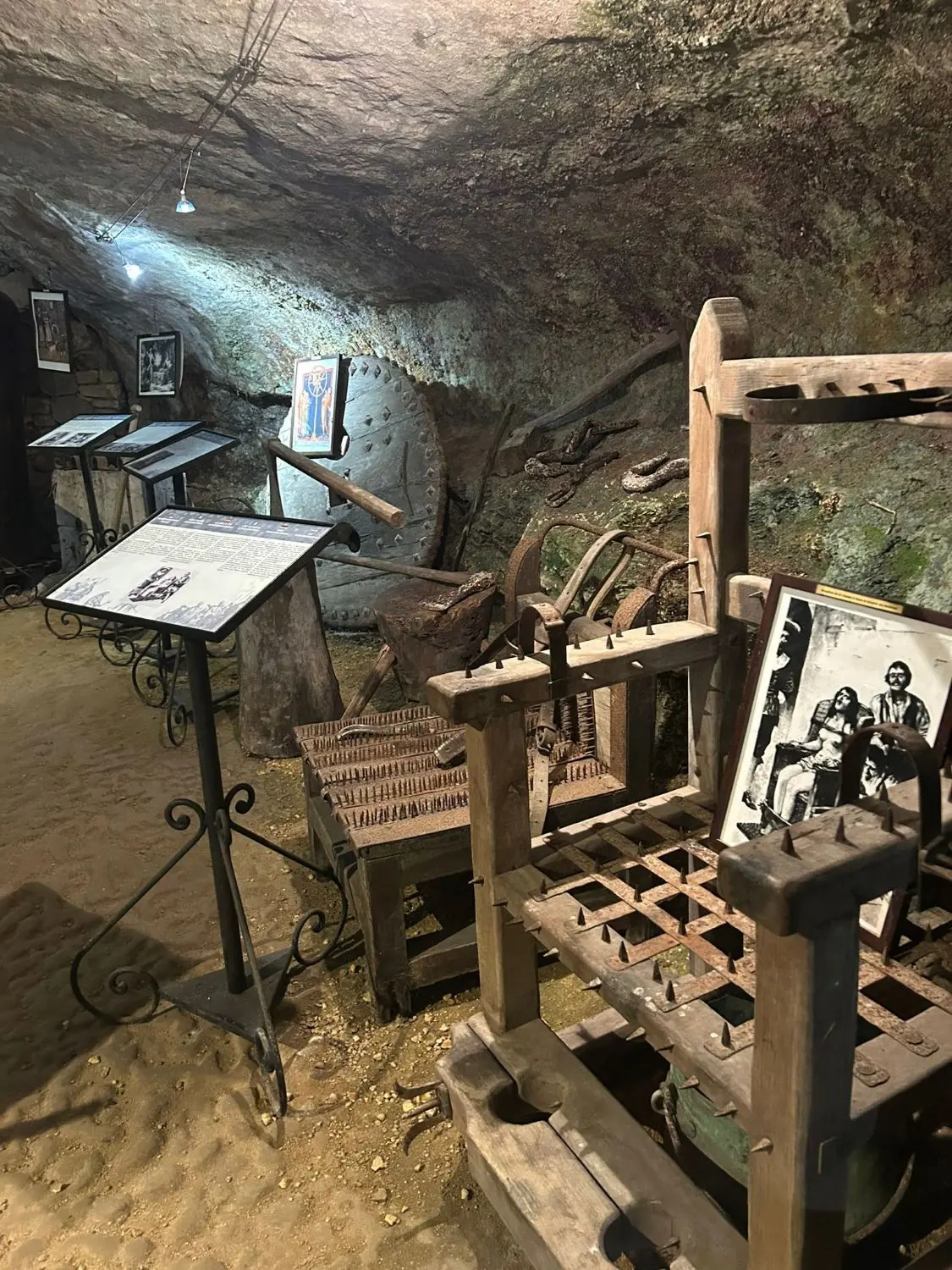
Beneath the fortress, the former stables now house over 60 authentic instruments of “justice.” It is a grim, unflinching look at the brutal reality of medieval coercion, featuring everything from the Inquisition chair to the rack.
But the true legend of this cliff belongs to a former owner: Jaquemet de Reignac, the infamous “Billy Goat” (El Macho Cabrío). Known as the cruelest lord in the Périgord, he transformed the deepest dungeons into a theater of horror. Local legend says his dark legacy left a permanent, chilling presence within the stone walls.
His memory is so ingrained in the local culture that, even today, children are warned: “If you are not good, we will take you to the Billy Goat of Reignac.”
Practical Tips for Visiting Maison Forte de Reignac
If you are basing your Dordogne trip in Sarlat-la-Canéda, Maison Forte de Reignac is an easy 30-minute drive away. It’s the perfect addition to a broader valley itinerary or a relaxed half-day excursion.
Logistics for car
- Access: D706 road. Paved, comfortable, and no tricky curves.
- Parking: Free parking at the foot of the cliff, right in front of the entrance.
Logistics for motorhome
- Access: Wide road (D706), safe, and suitable for large vehicles.
- Parking: Exclusive “Camping Car Parking” area by the river. Spacious spots; arriving early in high season is highly recommended.
To ensure a smooth experience, here are the essential logistical notes you need to know before you arrive:
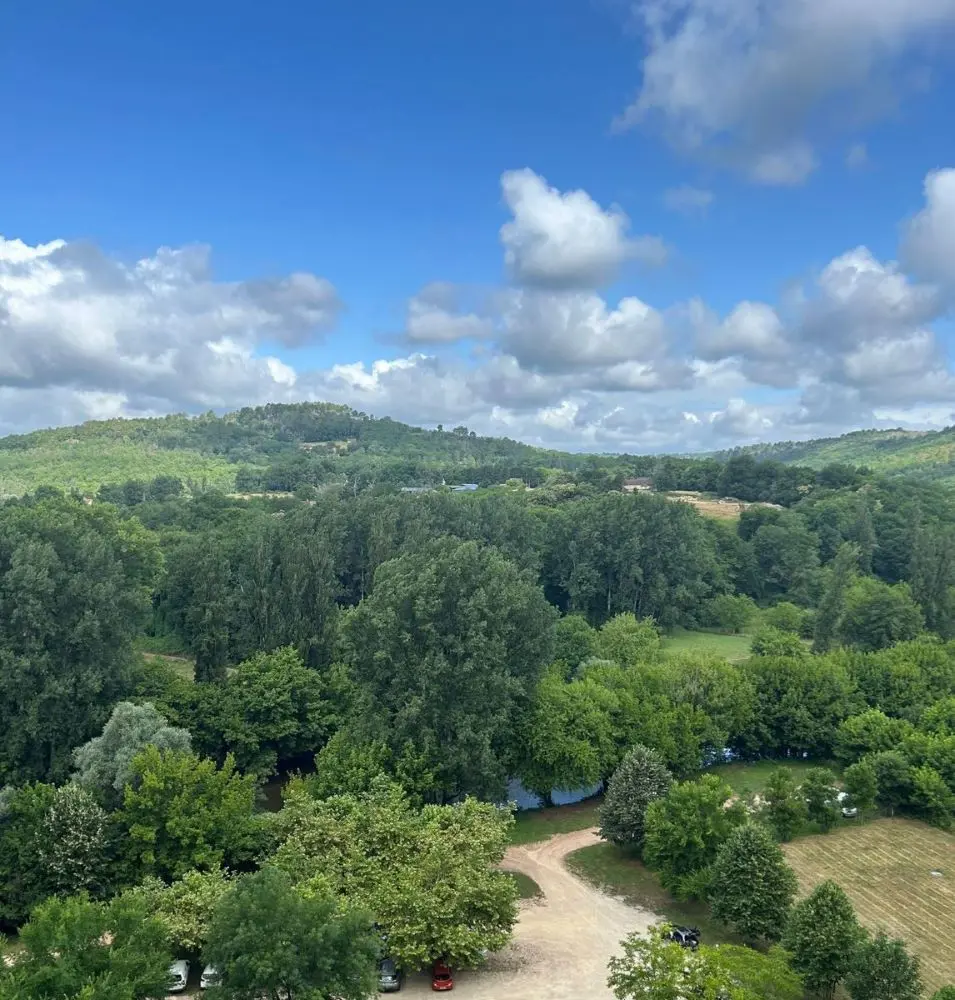
Sensory Check: Finding Your Breathing Space
Sensory Intensity: Low (Terraces & Balconies) / High (Interior Tunnels)
- The Escape: The upper terraces and valley-facing balconies are the castle’s official breathing spaces. After the visual weight and dim light of the interior, these spots allow you to self-regulate with natural light, fresh air, and vast, open views.
- The Reality of Crowds: To reach the calm, you must first navigate narrow stone corridors. During peak season (July/August) or midday, the echoing voices and lack of personal space can lead to sensory overload.
- The Strategy: The golden rule is to avoid the rush. Plan your visit for the first hour of the morning or late in the afternoon to reclaim your peace.
- The Pro-Tip (Parking): The free parking lot is visible from the main road. If you see it packed with cars and RVs, temporarily abort the mission. It is much better to drive 5 minutes to the open-air Castel-Merle site and return to Reignac once the crowd has cleared.
- The Sound Solution: The stone tunnels can be acoustically overwhelming. To stay grounded and enjoy the atmosphere without the stress of echoes, we never travel without high-fidelity sound protection that feels like a piece of jewelry.
Planning Your Day: Timing and Terrain
A self-guided tour of Reignac takes approximately 1.5 to 2 hours. This allows for a deep, unhurried connection with the site without the exhaustion of larger monuments.
- The Perfect Pairing: We highly recommend combining Reignac with La Roque Saint-Christophe. A well-paced, “slow” schedule is to explore Reignac first thing in the morning, move on to La Roque around midday, and leave your afternoon open for unstructured rest.
- The Footwear Rule: Comfortable, sturdy shoes are non-negotiable. Because the fortress is carved directly into the rock, you will navigate steep stairs and uneven stone floors. Leave your fashion footwear at the hotel; sneakers or hiking shoes are essential for your safety and comfort.
If you wish to further curate your journey through the Dordogne, consider adding the Château de Puymartin to your route.
Full-Day Itinerary: Dark History and Gourmet Markets
The Perfect Contrast: Dark History & Gourmet Markets
To maximize your experience, we recommend synchronizing your fortress visit with the local market schedule. The Périgord Noir is world-renowned for its vibrant outdoor markets. Imagine this: spending your morning exploring grim medieval dungeons and prehistoric caves, then recovering your senses with local cheeses, fresh walnuts, and foie gras in the market of Peyzac-le-Moustier. It is the ultimate palate cleanser after the “Billy Goat’s” dark history.
To help you map out your stay and combine these experiences smoothly, we have compiled a complete list of all the local market schedules in the area, including the highly anticipated summer night markets.
If you are visiting during the high season, the local Marché Gourmand is a fantastic evening plan:
- Location: At the base of La Roque Saint-Christophe.
- Season: July and August.
- Time: 6:00 PM to 10:00 PM (18:00 – 22:00).
Sensory Check (Night Markets): Marchés Gourmands are highly festive, featuring live music, wood-smoke, and communal tables. If you are sensitive to noise or prefer to avoid large crowds, the best strategy is to arrive exactly at 6:00 PM. You can enjoy the food and the atmosphere while it is calm, and make a strategic exit before the peak noise hits around 8:30 PM.
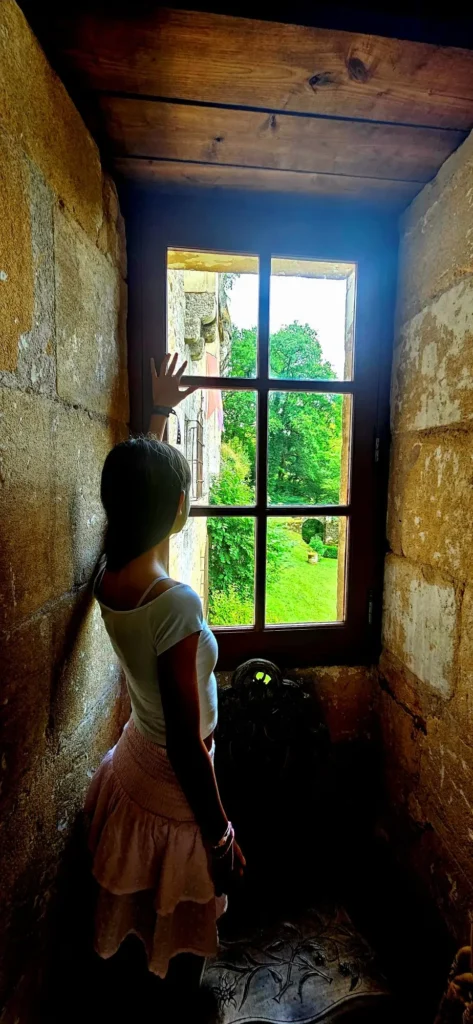
Ticket Prices & Combined Passes
| Individual Rates | Price |
|---|---|
| Adult | 11.90 € |
| Adult (Disabled) | 8 € |
| Student (Up to 25 years old) | 7.50 € |
| Teen (15 to 17 years old) | 7 € |
| Child (8 to 14 years old) | 5 € |
| Child (Under 8) / Disabled Child (Under 18) | Free |
- Group rates are also available upon request).
- Money-Saving Tip: If you are planning to explore more of the Vézère Valley, do not buy a single ticket. Maison Forte de Reignac offers combined passes with nearby historical sites. You can get joint tickets for La Roque Saint-Christophe (just a 5-minute drive away) or the Donjon, Manoir et Jardin de la Salle located in the heart of Saint-Léon-sur-Vézère (10 minutes away).
Opening Hours & Special Events


The Expedition Journals
-
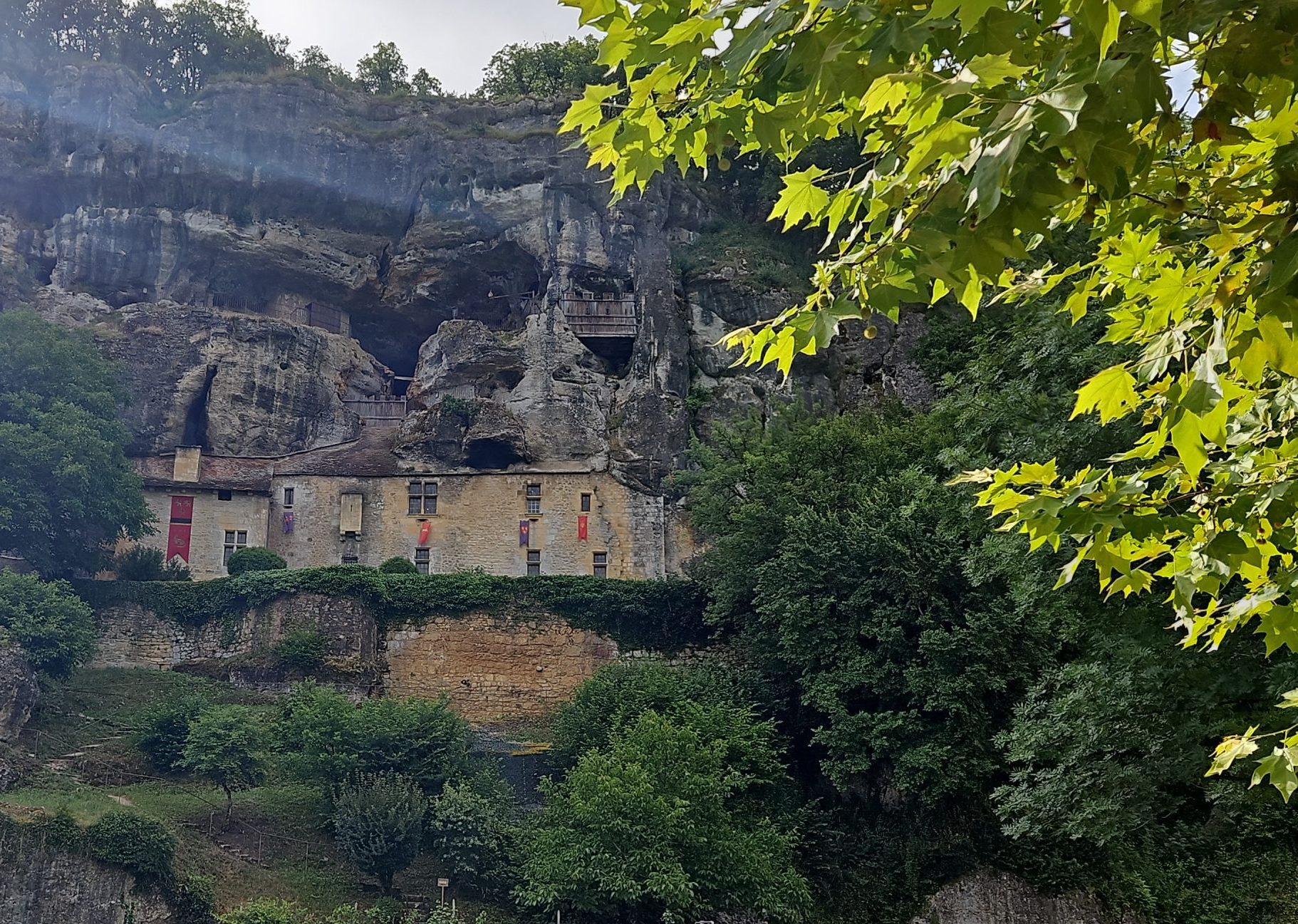
Maison Forte de Reignac Ultimate Guide 2026: A Cliff Castle and Hidden Gem in the Dordogne
-
Great Catalan Fire Run (Correfoc) 2026: Survival Guide Near Barcelona
-
Siurana, Spain: Ultimate Climbing & Travel Guide 2026