
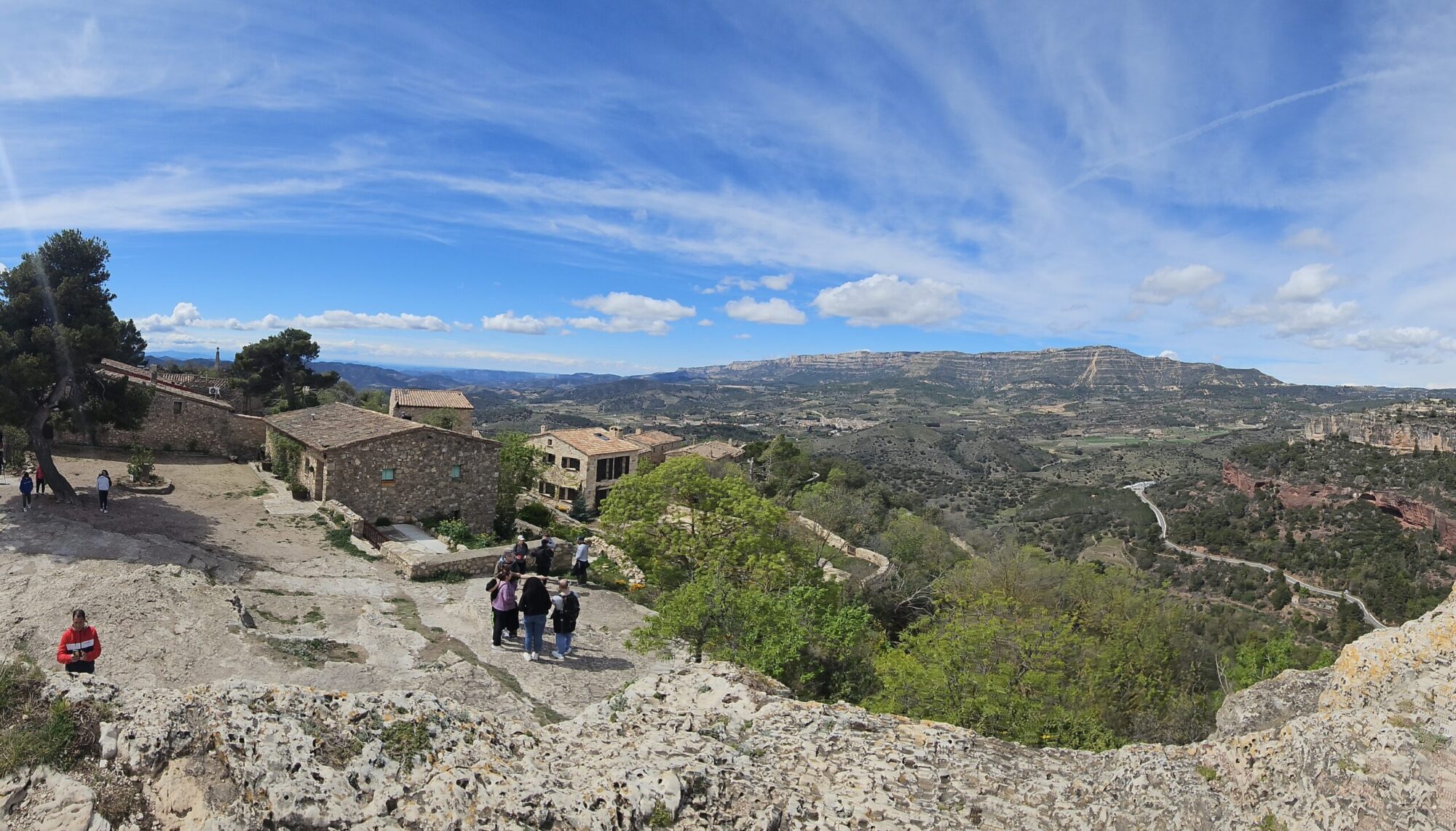
Siurana 2026.
World-Class Climbing, Epic Views & The Legend of the Moorish Queen
* The gear mentioned in this guide is real technical equipment we use and recommend. Some links are affiliate links. If you purchase through them, you help us keep this project going at no extra cost to you. Transparency above all.
SENSORY CHECK
| 🔊 Noise | 🟢 | (Silence, wind, and nature). |
| 👥 Crowds | 🟡 | (Can get crowded on weekends, and streets are narrow). |
| 👁️ Visual Stimuli | 🔴 | (Extreme caution due to vertigo and heights; vital for neurodivergent profiles with impulsivity or lack of danger perception). |
| 👃 Olfactory Impact | 🟢 | (Fresh air and Mediterranean forest). |
👉 Plan B
The Last Stronghold
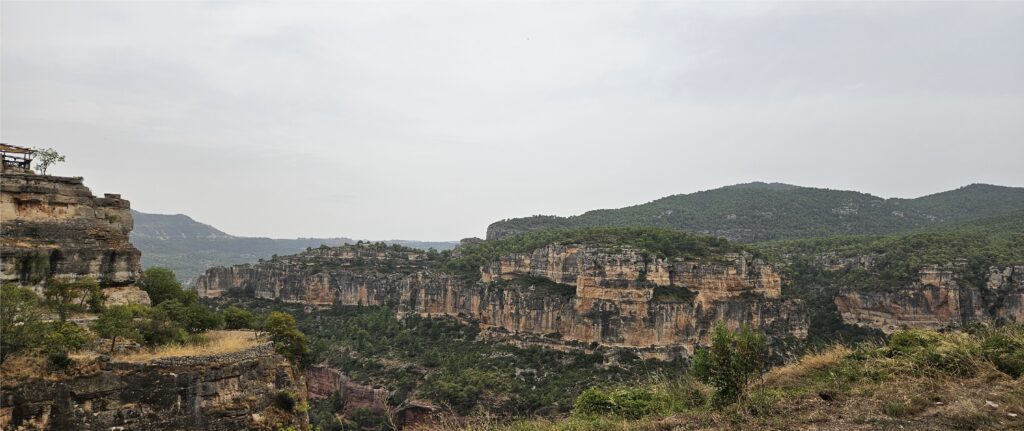
Siurana is not your typical postcard village for a quick photo and a return to the hotel. Up here, perched on a vertigo-inducing cliff in the Priorat, the feeling is different. It commands respect. Forget the cliché of “Spain is sun and beach”; this is living rock, heavy silence, and a history of the kind that rarely survives today.
It was the last Muslim bastion to fall in all of Catalonia back in 1153. When you stand at the edge of the Salto de la Reina Mora (The Moorish Queen’s Leap) and look into the void, you understand perfectly why they held out here until the bitter end. It’s not just a beautiful landscape; it is a place that makes you feel small.
Where is this place?
It is hidden in the province of Tarragona, deep within the Sierra de Montsant and the Prades Mountains. For those of us seeking pure air, it is paradise. But let’s be honest: if Siurana is famous worldwide, it is because of its walls.
For climbers, this is Mecca. Period. The limestone quality feels designed by nature, and the routes are the kind that leave you with shredded skin but an ego in the clouds. If you come to climb, you know the deal. If you come to walk, prepare to lose yourself on paths that feel like they belong to another era.
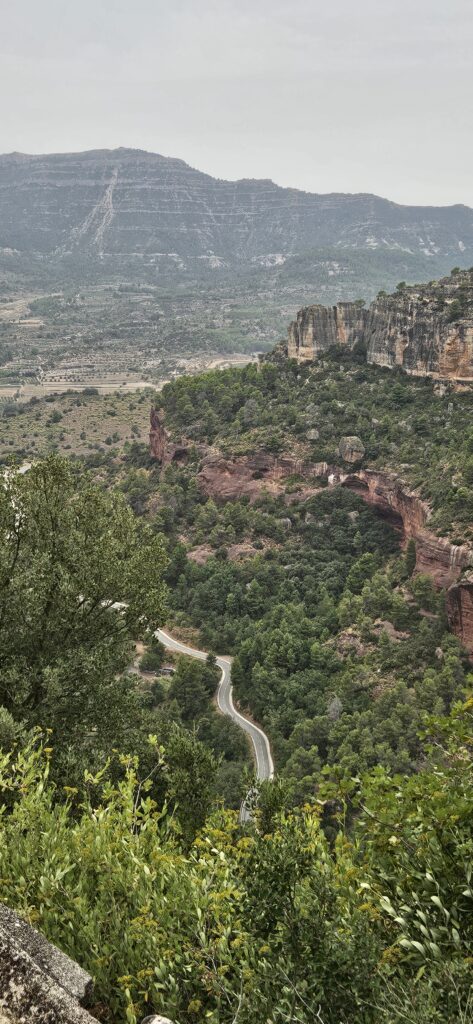
Tragic Legend: The Mystery of the Moorish Queen
Legend tells of the noble Princess Abdelazia, the last ruler of Siurana. For months, the Christian troops of the Count of Barcelona laid siege to these walls in vain; the fortress was impregnable. It took a traitor from within to hand over the keys and seal the city’s fate.
Facing the imminent fall of her last bastion and the dishonor of surrender, Abdelazia made a final, desperate choice. She raced to the stables for her faithful steed. Finding no escape, she covered the horse’s eyes with a fine silk veil and galloped straight toward the abyss.
It is said that the animal, sensing the danger yet bound by unbreakable loyalty, pushed off with such force for the final leap that the imprint of his horseshoe is still etched into the limestone today. This spot is now known as the Salto de la Reina Mora (The Moorish Queen’s Leap).
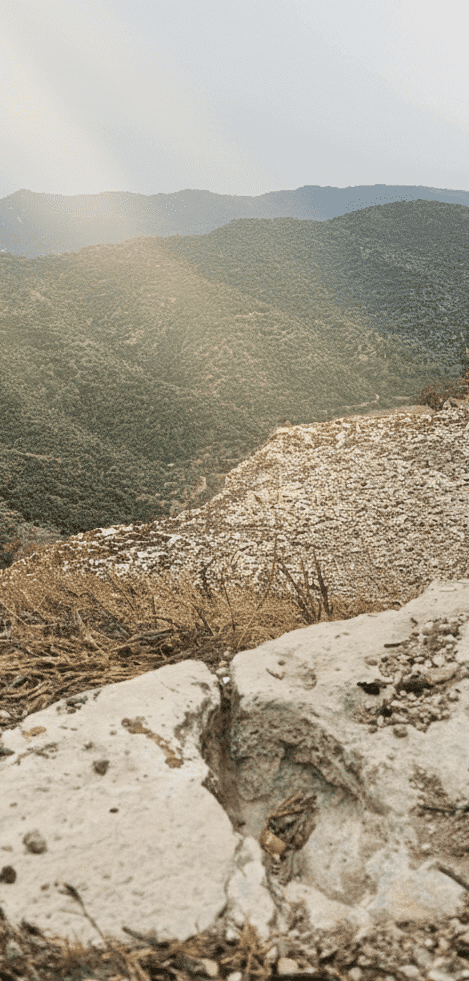
From Legend to Vertical Glory: World-Class Climbing
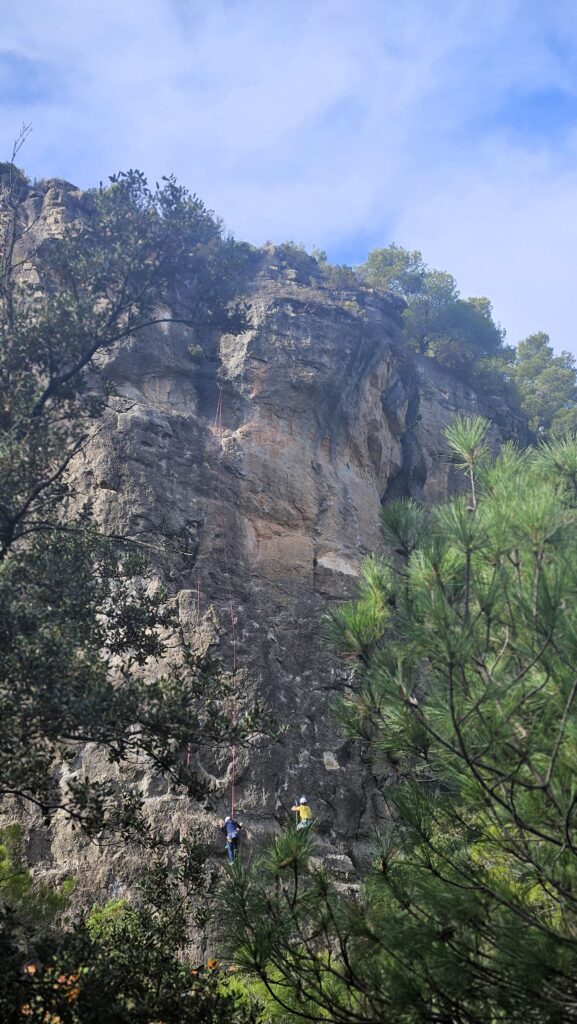
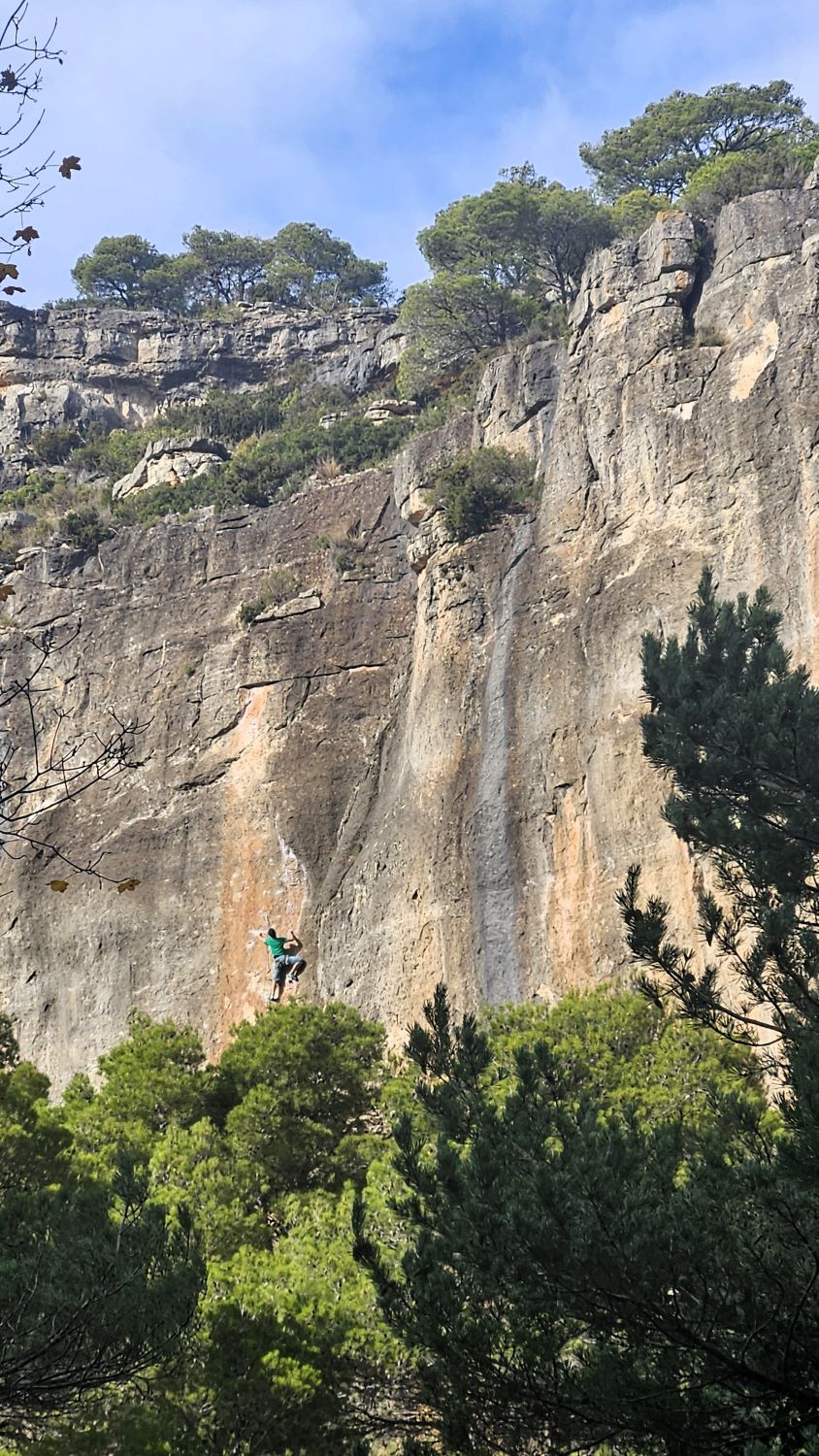
The first sport climbing routes in Siurana were bolted over 30 years ago, quickly turning this enclave into a global pilgrimage site. Siurana is world-famous for its challenging “old school” style: vertical, technical walls that demand steel fingers and precise footwork.
A Winter Paradise & Endless Verticality
Beyond the style, Siurana’s strategic South-facing orientation offers endless sunshine, making it a premier winter destination in Europe. With over 1,700 routes, the cliffs cater to everyone: from beginners seeking their first ascent to elites testing themselves on the legendary 9b grades.
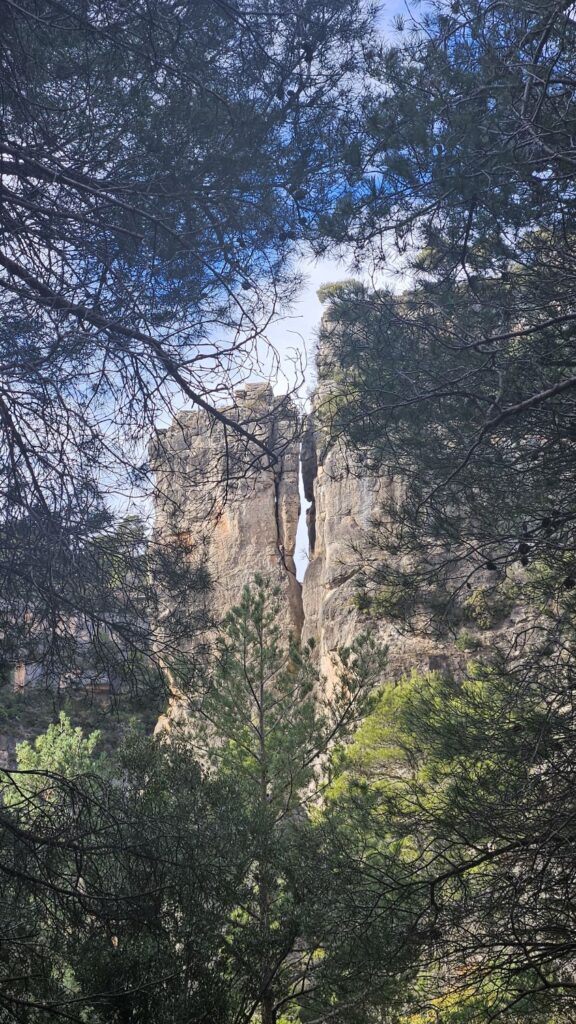
The rock here is limestone (Muschelkalk), divided into two distinct personalities depending on the altitude. The upper tier features stratified, fragmented rock with sharp edges, while the lower tier offers monolithic, abrasive rock with pockets and holes.
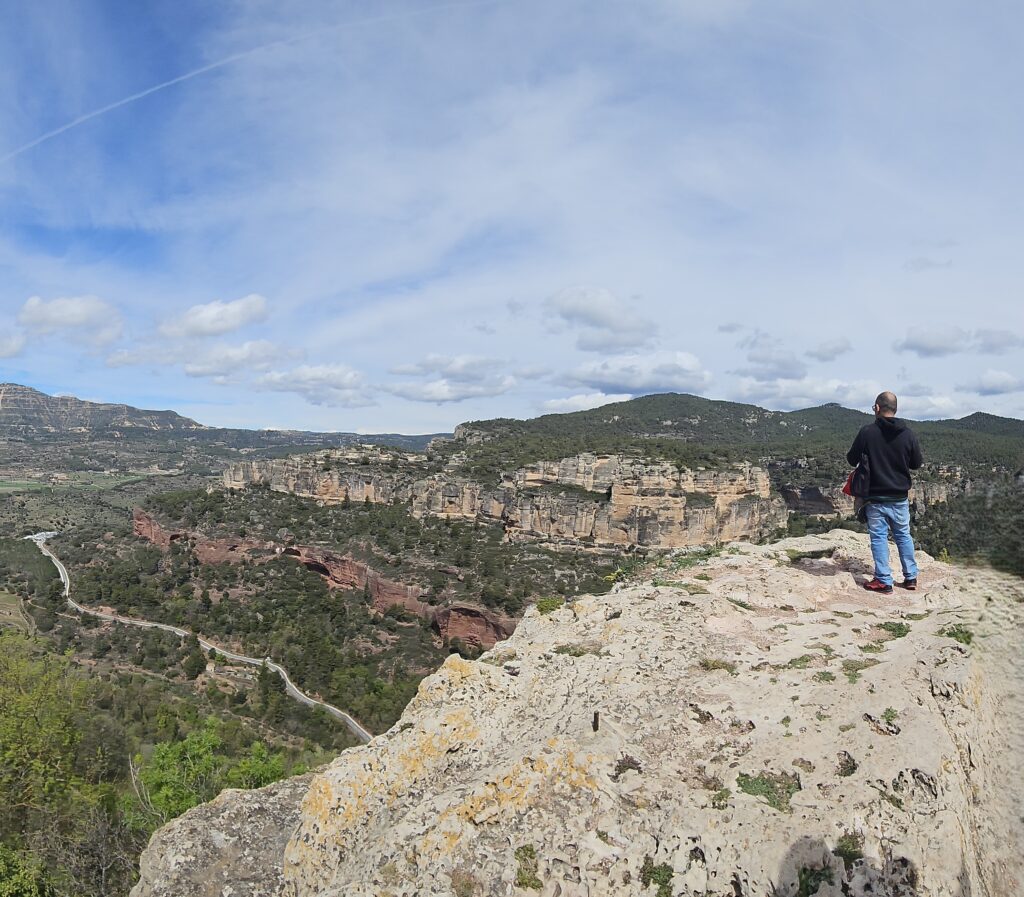
Legendary Sectors & Routes: From Warm-up to 9b+
| Difficulty | Highlighted Routes / Sectors |
| Easy (Warm-up) | Siuranella Est: Sector with easier warm-up routes, ideal for first-timers in Siurana. Most grades range between 6b and 7c. |
| Medium (Classic) | Triquiñuelas del Peonaje (6c): A true classic located in the Peñasco de los Bassons (Siuranella) sector. |
| Hard (Advanced) | Kalea Borroka (8b+): A technical and demanding line in the legendary Lo Pati sector. |
| Very Hard (Elite) | La Rambla (9a+): Considered one of the most famous and iconic routes in the world, located in Lo Pati. |
| Extreme (World Class) | Sleeping Lion (9b+): One of the hardest routes on the planet, located in the Lo Pati sector. |
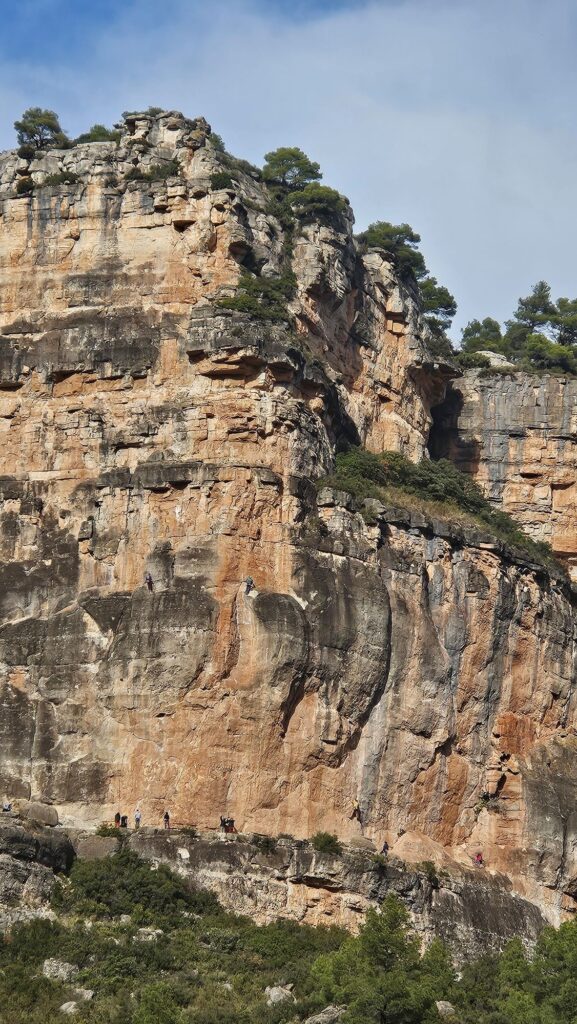
Siurana Climbing Festival 2026: Fueling the Stoke
It’s still early for exact dates (the festival usually takes over Cornudella de Montsant in mid-November), but if you are the type who plans their winter migration well in advance, you need to keep this on your radar.
It’s not just about sending hard on the rock; it’s about the tribe. During the festival, the village transforms into the epicenter of the climbing community, featuring:
- Screenings & Keynotes: with elite legends sharing raw stories of life in the vertical realm.
- Clinics & Workshops: to refine your technique and beta, regardless of your grade.
- Pure Mountain Vibes: Sharing the passion (and the psyche) with climbers from all over the globe under the iconic Priorat sky.
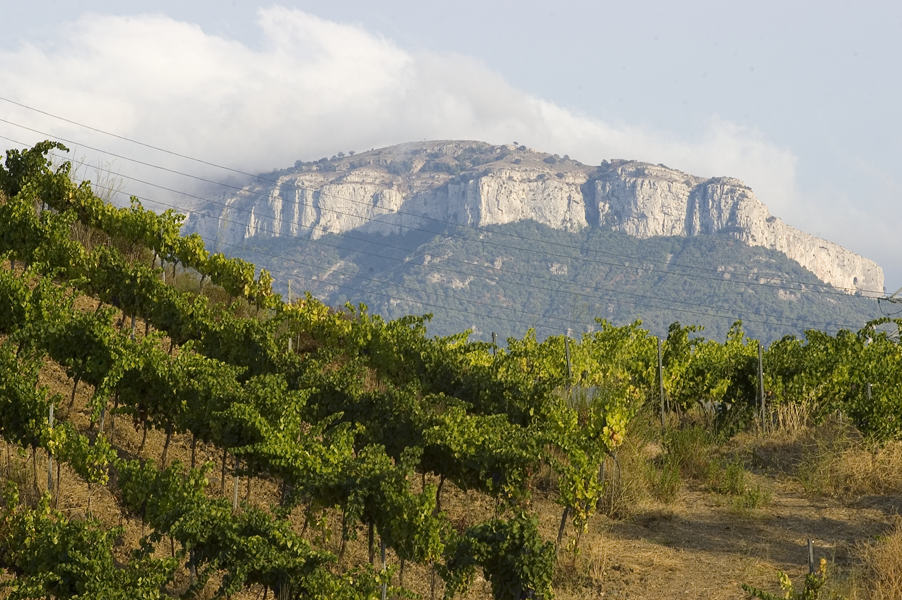
Hiking & Nature: Beyond the Vertical Wall
If you are not a climber, or simply seek an active rest day for your fingers, the landscape surrounding Siurana is a sanctuary for hiking and water activities.
High above the cliffs of Cornudella de Montsant stands Roca Corbatera, the highest peak in the Montsant Range at 1,163m.
On a clear day, standing here feels like viewing a 3D map of Catalonia beneath your feet. In crisp, dry weather, the visibility stretches from the Pyrenees all the way to the island of Mallorca. The summit is accessible from Albarca, following Itinerary 11 of the Natural Park.
To walk this land is to understand why Priorat grapes possess such character: it is pure survival amidst rock and Mediterranean forest. This strategic location guarantees a network of trekking routes for every level—from family-friendly paths to high-altitude challenges. Immerse yourself in the landscape and discover firsthand the wild terroir that breathes life into the region’s most exclusive wines.
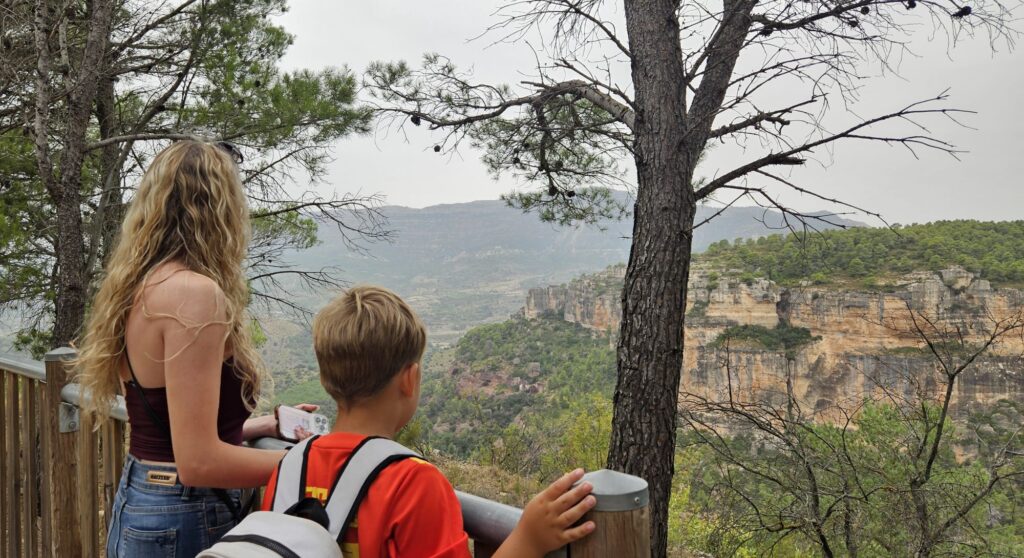
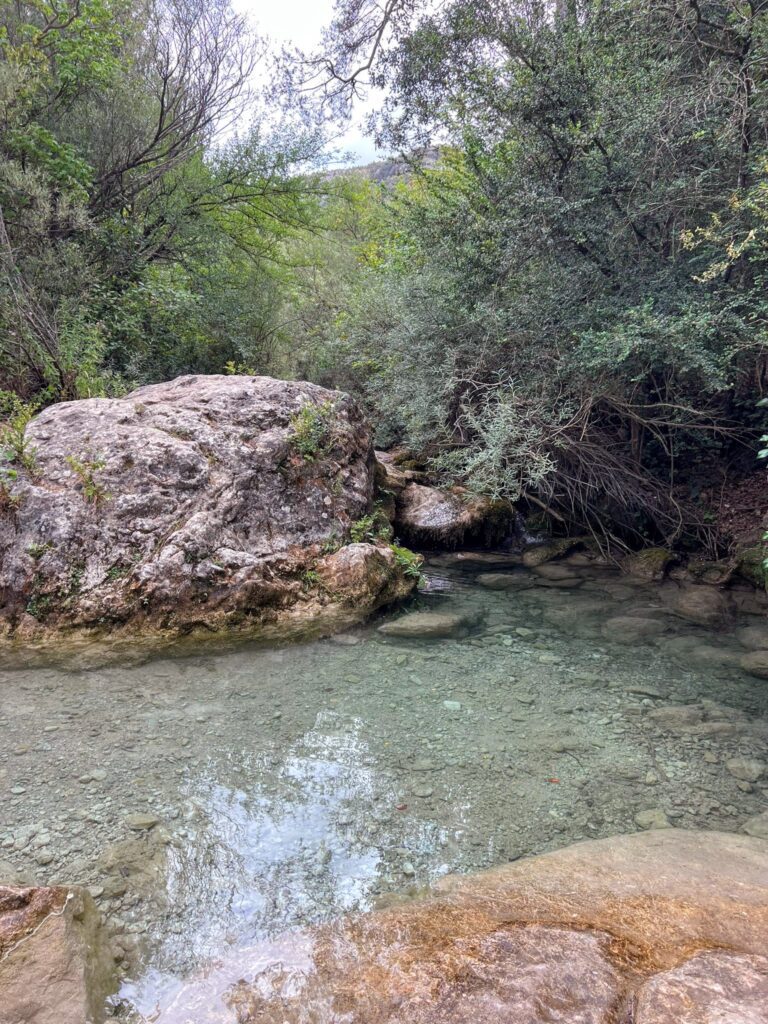
The Aquatic Sanctuary: Siurana Reservoir
At the foot of the village, where the legend of the Moorish Queen finds its rest, lies the Siurana Reservoir, a haven of peace featuring turquoise waters that contrast vividly with the red limestone cliffs.
This is the perfect spot for a different kind of day:
- Walking Routes: Stroll along the reservoir’s shores or challenge yourself with the steeper paths descending from the village, enjoying unique panoramic views of the water embraced by mountains.
- Water Sports: The reservoir is ideal for kayaking or paddle surfing. Rent equipment in nearby Cornudella de Montsant and experience the sheer scale of Siurana from the water.
- The Hidden Waterfall: Don’t miss the trail to Toll del Forn, a small, exquisite natural pool with a waterfall that serves as the rewarding finale for many hikers.
Context Note (2026): The water level (now recovered to 45%) speaks of both climate and history. After years of extreme drought and the complex management of the historic water transfer to Riudecanyes, the landscape is breathing again. To enjoy this setting is to respect a resource that the territory defends, drop by drop.
Historical Heritage: Guardians of the Last Frontier
Siurana is not merely rock; it is a history book carved in stone. Beyond the romantic ruins of the ancient Moorish fortress (alcazaba), the village preserves key landmarks that testify to its past as the last Muslim stronghold in Catalonia—a strategic frontier that resisted for centuries.
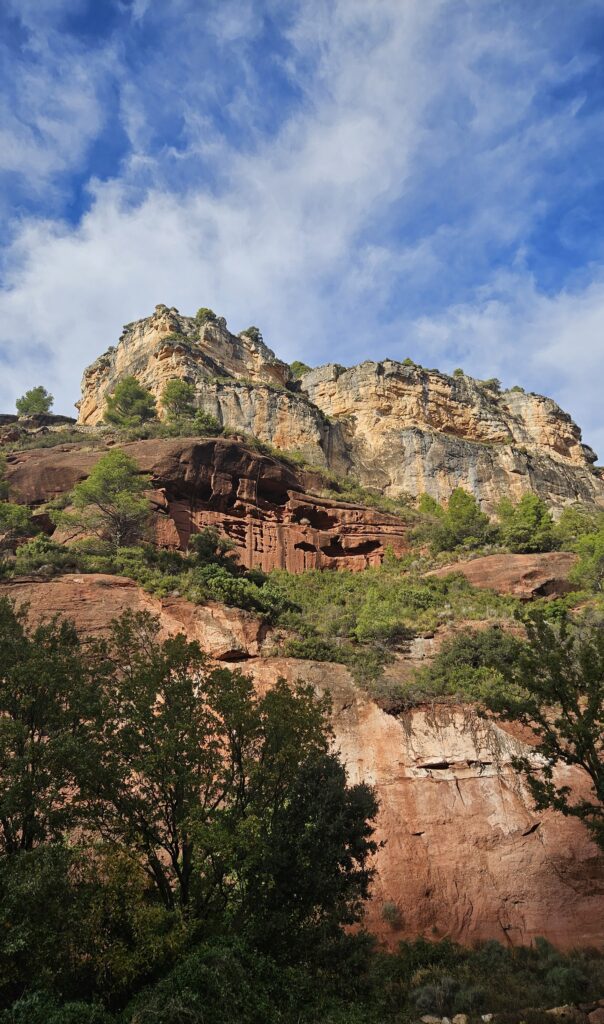
If you have the chance, we highly recommend booking a guided tour (as we did); it enriches the experience exponentially. You will learn not only about the medieval epic but also about the unique geological formation surrounding you. It is fascinating to discover—even for non-experts—why the vertical walls display that striking duality: the reddish sandstone base supporting the grey limestone crown. A breathtaking glimpse into millions of years of Earth’s history.
The Church of Santa María: Romanesque Simplicity
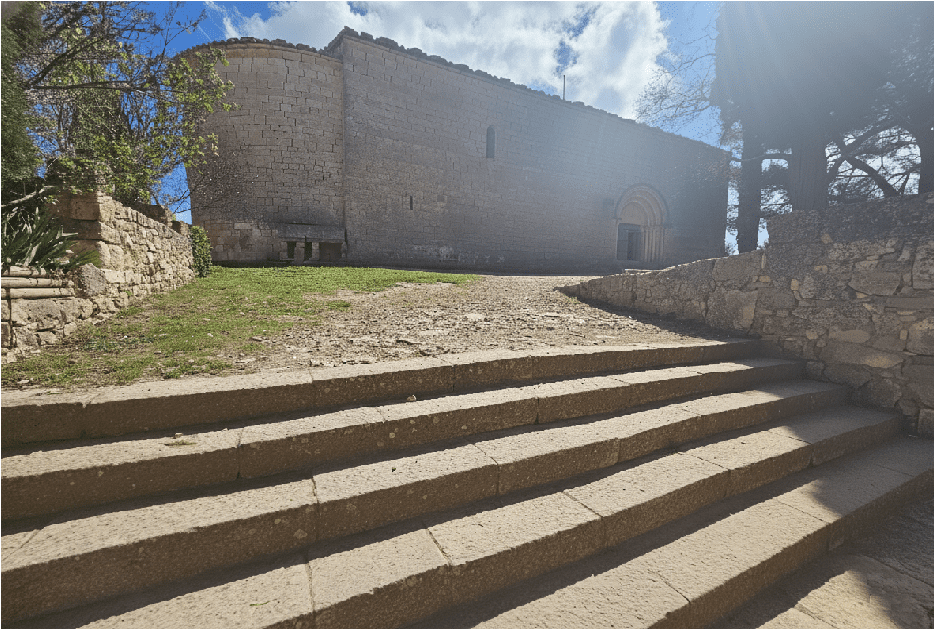
Right in the heart of the village lies the Church of Santa María, a jewel of Catalan Romanesque architecture dating back to the 12th and 13th centuries. It stands out for its elegance and architectural simplicity, featuring a single nave that culminates in a semicircular apse.
Although its interior is sober, its doorway is a portal through time: a figured tympanum framed by three semicircular arches offers a gentle welcome that contrasts with the raw intensity of the surrounding cliffs. It is a sanctuary of peace, ideal for contemplating both history and nature.
A Lost Treasure: The original image of the Virgin of Siurana, popularly known as the Virgin of the Water, was stolen in 1979 and never recovered. Today, the church houses a polychrome wooden replica in a dedicated shrine (camarín), keeping the devotion—and the memory—alive.
The Castell de Siurana: Moorish Silence
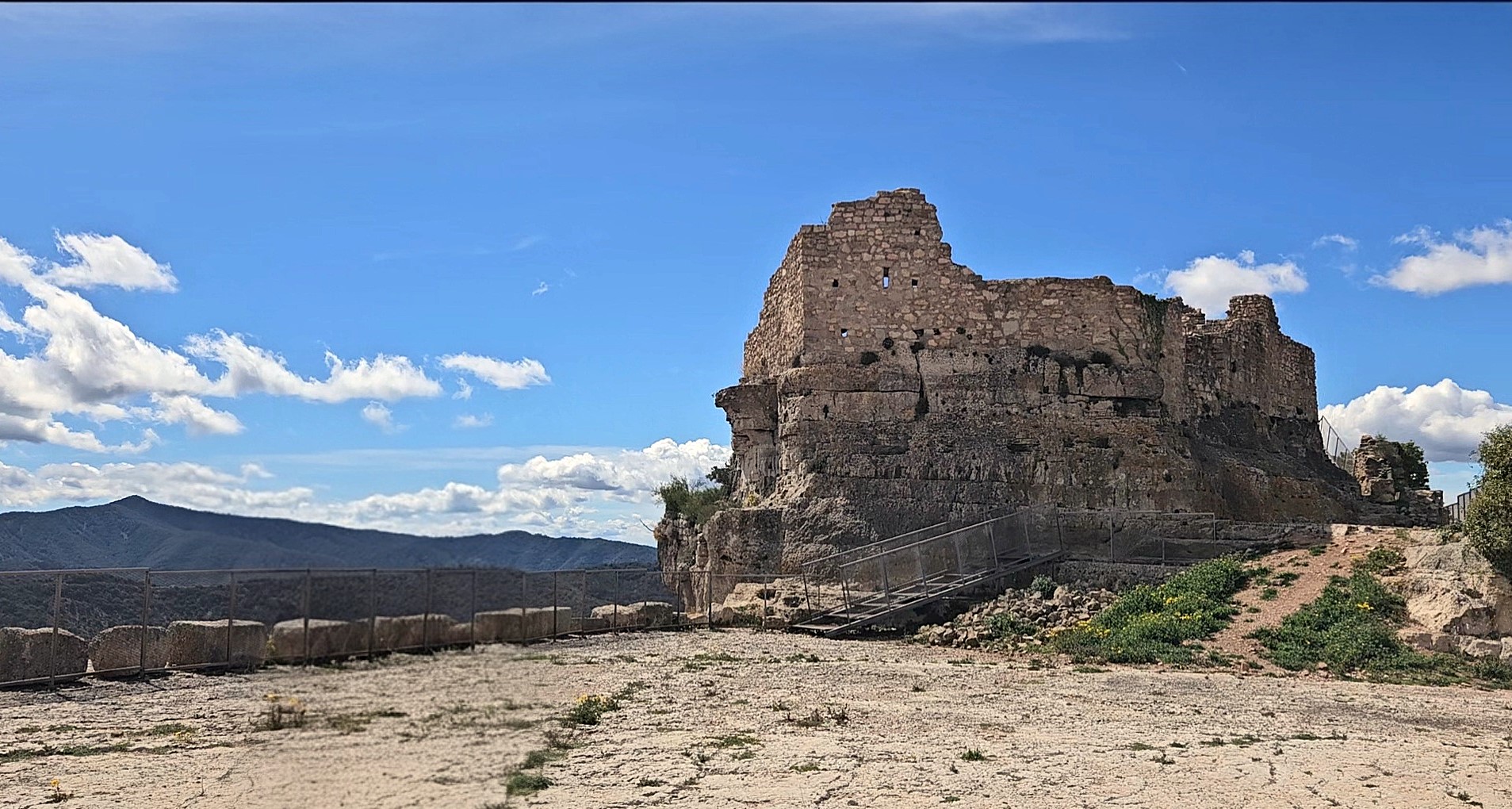
At the cliff’s most strategic and dominant point stand the remains of the ancient Moorish castle, the Castell de Siurana. Today, only crumbling walls and a partially preserved chamber remain, yet its location is still awe-inspiring. Walking through its ruins means feeling the weight of centuries and understanding why this fortress was considered impregnable.
How to get there: Access is simple; just walk past the souvenir shop at the village entrance and turn left.
⚠ Sensory Check & Plan B: Safe Alternatives to the Heights
The Reality: Siurana is perched on a sheer cliff. If traveling with active children, impulsivity, or vertigo, the constant extreme caution needed is a fast track to stress and emotional blockages.
Plan B: Don’t force it. Abort the mission and try these zero-cliff alternatives:
- Farena (Architectural Twin): The exact same medieval cobblestone charm in the Prades Mountains, but safely surrounded by solid ground. Logistics for car: Designated parking lot right at the village entrance.
- Siurana Reservoir (Nature Escape): Skip the heights completely. Head down to the valley for a relaxed, open-air picnic or kayaking (if reservoir conditions allow) with stunning views from below. Logistics for car: Parking available right next to the water access.
Boutique Retreats & The Soul of the Village
For the 2026 traveler, luxury is the perfect balance between impeccable rest and a dish that tells a story. In Siurana and Cornudella, that balance is found right here:
- Hotel La Siuranella: A true boutique jewel in the heart of the village. It is intimate, personal, and designed to blend seamlessly into the ancient stone walls. The real luxury here is the personalized service and waking up surrounded by the absolute silence of the heights.
- El Molí de Siurana: This is where silent luxury meets the rustic soul. An elegant hideaway that feels like a private home, focusing on essential quality: total peace and a breakfast featuring the finest local products.
The Real Deal: Where Flavor is Law
Forget pretentious menus. The essence of the Priorat is served in the places locals claim as their own:
- La Renaixença (Cornudella de Montsant): A mandatory stop on the road to the top. Their legendary local botifarra (traditional sausage) is grilled over embers, offering the honest, home-style flavor that defines the region. It’s the perfect technical stop before or after exploring Siurana.
- Fonda El Recó: If you’re looking for the soul of a traditional Catalan inn, this is where the 2026 Movement comes to life. Market-driven cuisine, traditional dishes, and a welcoming village atmosphere. It is the luxury of the authentic: local produce treated with the respect of time-honored recipes.
- DO Siurana Olive Oil: On every table, the silent protagonist is the liquid gold. A slice of bread, a pour of this oil, and the local goods from these kitchens are the definition of a five-star experience.
Logistics for Car and Logistics for Motorhome
Navigating the road to Siurana requires strategy. Here is the official breakdown to avoid fines, mechanical headaches, and heart-stopping moments:
- Logistics for Car:
- P1 (The “Closest” One): Located right at the entrance, just 200 meters from the heart of the village. It fills up instantly; only for early birds or weekday visitors.
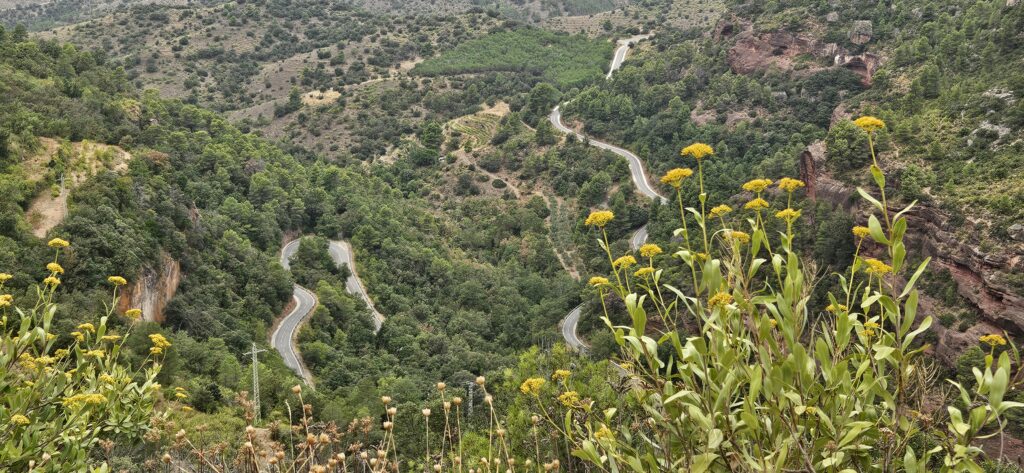
- P2 Lo Codolar: Slightly further down (145 vehicles / 3€ per day). Requires driving through three extreme, narrow hairpin turns.
- P3 (The “Hiker’s” Choice): Located at the very bottom, before the hairpins start.
- The Challenge: Parking here means a 2.5 km hike to reach the village. It is a 750m elevation gain, making it a very steep and demanding climb.
- Sensory & Safety Check: This is only for active hikers. If you are traveling with small children, elderly people, or anyone not used to steep mountain paths, avoid this option. The views are epic, but the physical effort is significant.
- Logistics for Motorhome & Large RVs:HARD NO for the top. Do not attempt the hairpins to reach P1 or P2.
- The Safe Move: Use the official Motorhome Area in Cornudella de Montsant (50 spots, full services). It is the only stress-free option for large vehicles.
- Logistics for Campers & Vans: Standard vans can manage the hairpins to P2, but it is a high-stress drive. If you want to avoid the narrow turns and are in good shape, P3 is an alternative, but be ready for that 2.5 km climb.
- The 9 PM Rule: Parking at P1, P2, and P3 is only for the day (9:00 AM to 9:00 PM). Overnight stays are strictly forbidden. For a legal stay, head to Camping Siurana for those 3-minute hot showers for 3€.
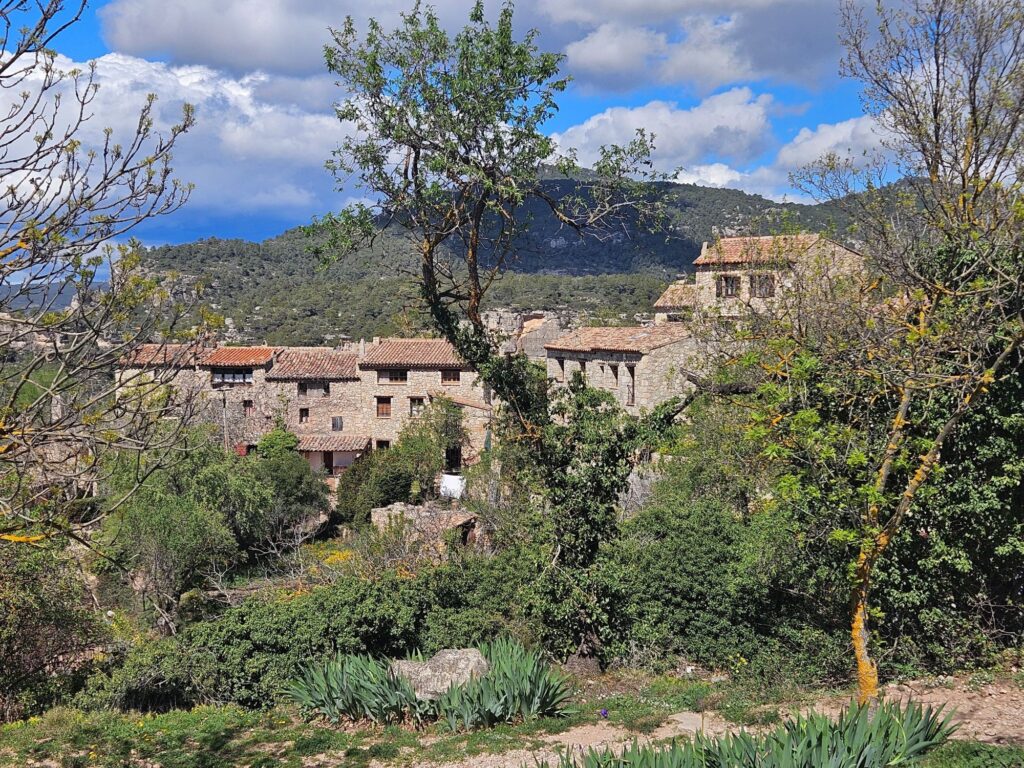
From the fire that vibrates in your chest to the absolute silence of the heights. This is the real Catalonia. See you in the sparks… or at the edge of the void.
The Expedition Journals
-
2026 Solar Eclipse in Spain: The Ultimate Survival Guide
-
Maison Forte de Reignac Ultimate Guide 2026: A Cliff Castle and Hidden Gem in the Dordogne
-
Great Catalan Fire Run (Correfoc) 2026: Survival Guide Near Barcelona