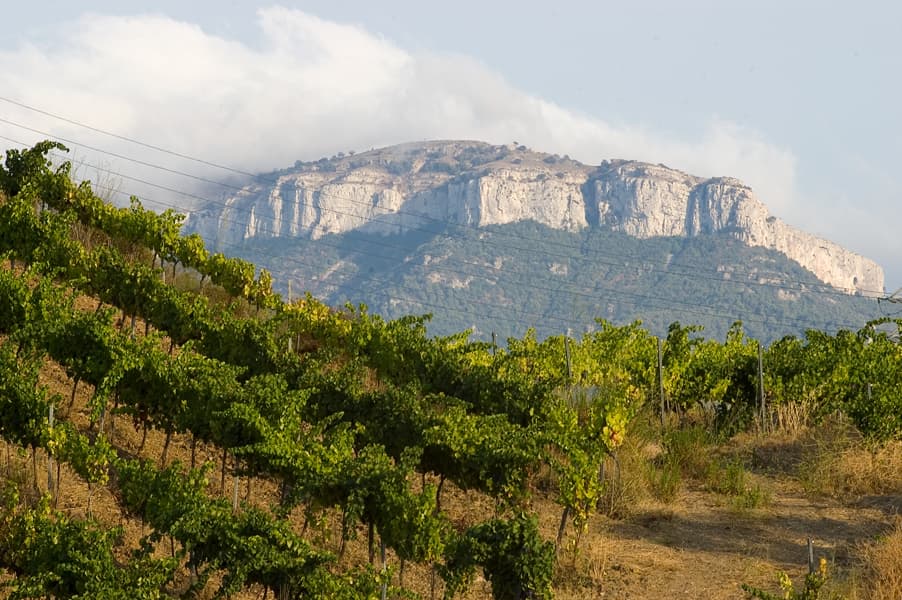
Authentic Local Flavors
Taste the true essence of Spain and Southern France. Zero tourist traps. Real Slow Food
Slow Food & Ethical Gastronomy: The Taste of the Real
Understanding what we eat is, to us, the only way to travel. It’s not about collecting stars on a restaurant door, but understanding the hard work behind every single ingredient. For us, ethical gastronomy starts right here: with absolute respect for the producer and the seasonal harvest.
We seek out projects that nurture the land, because that is the only way to capture the authentic flavor of a region. A prime example is the work being done in La Garrotxa, where the true farm-to-table bond sets the benchmark we aim to find on every single one of our routes.
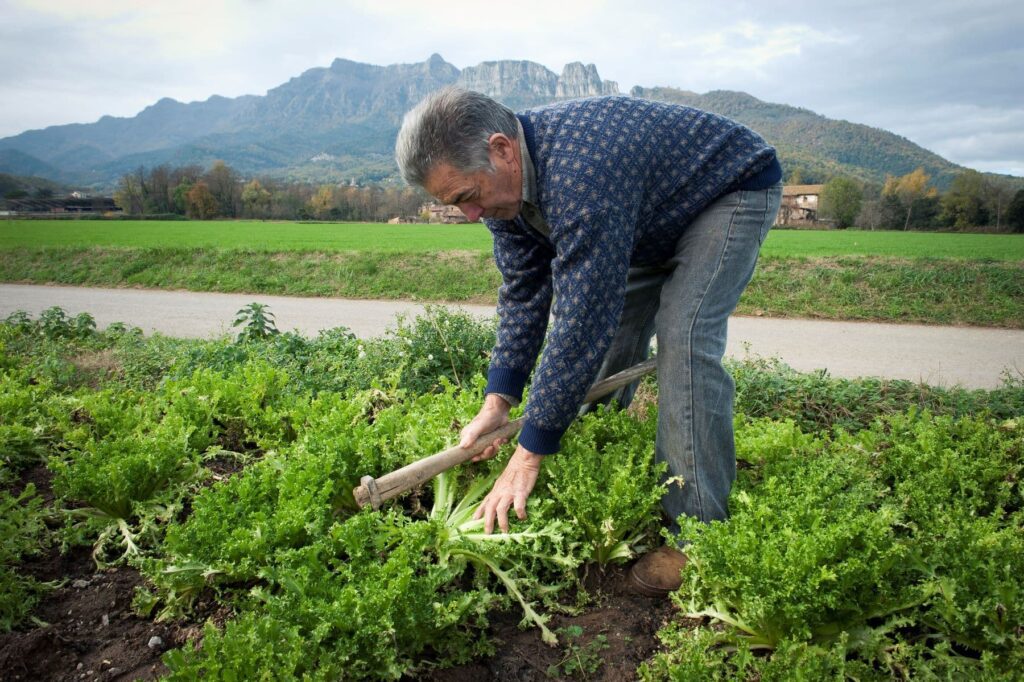
Slow Food: From farm to table
For a journey to taste authentic, we follow a path that respects both time and people. We don’t just travel to eat; we travel to understand the entire cycle:
- Land: The source of it all. We seek out the product at its birthplace, respecting the seasons and the labor of those who tend the soil.
- Market: The essential connection. It’s where the producer and the traveler meet. This is where your logistics (your cooler and tote bag) become your best allies for taking the essence of the territory home with you.
- Table: The final destination. The moment to sit down, unhurried, and enjoy a dish with real character and a story behind it.
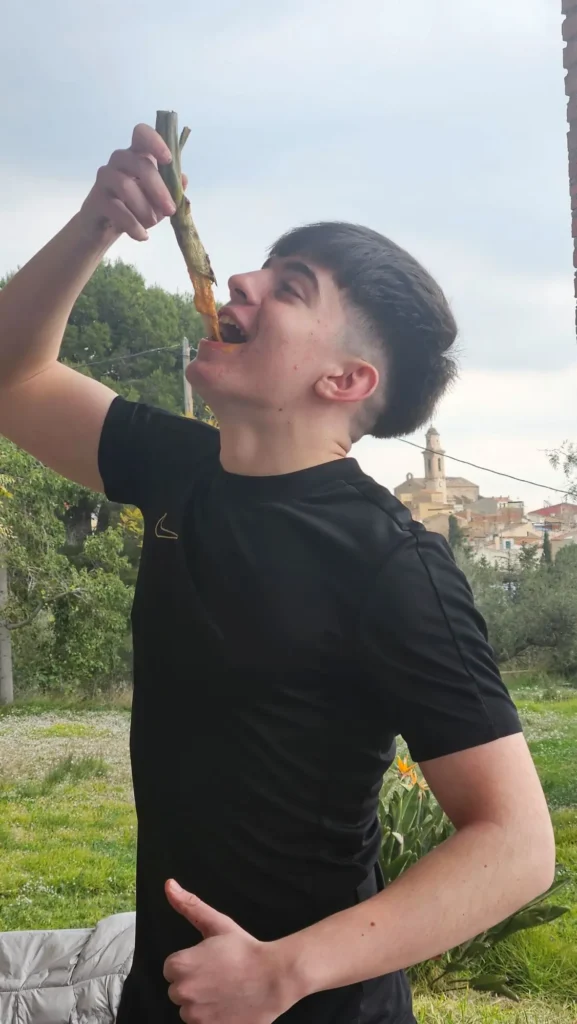
LAND: The edible landscape
The source of it all. Places where the natural surroundings dictate what reaches the pantry.
Prades Mountains and Siurana:
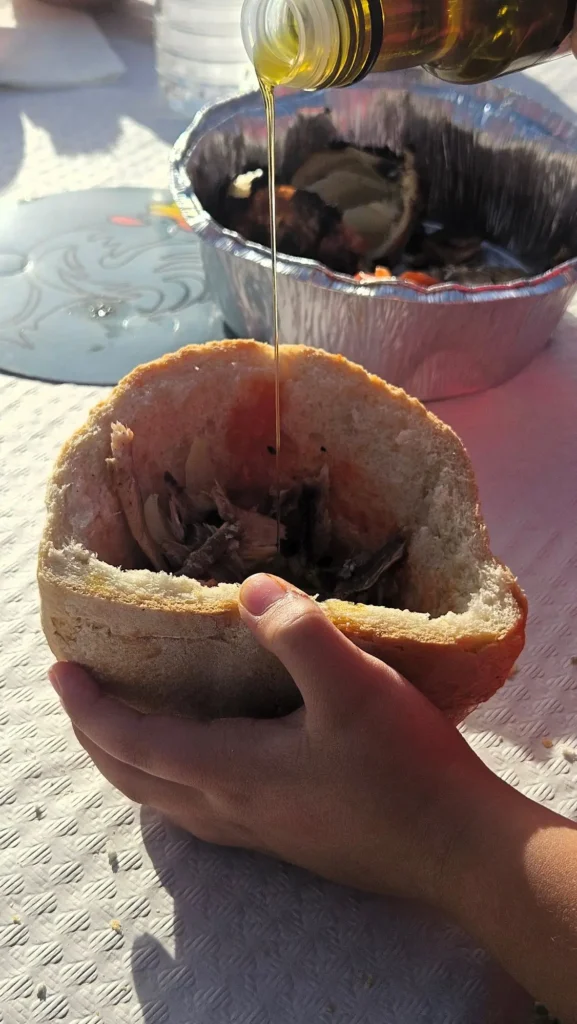
The rugged terrain of the Priorat and the Prades Mountains demands hard work from the vines and olive trees, but in return, it delivers products with a brutal, unapologetic character. Here, true quiet luxury knows nothing of linen tablecloths: it’s about tasting world-renowned wines and getting your hands dirty soaking a good peasant clotxa in the liquid gold of centuries-old olive trees. A deep dive into the rawest, most authentic gastronomy, surrounded by absolute silence and light-years away from crowded routes.
Ebro Delta (Tarragona):
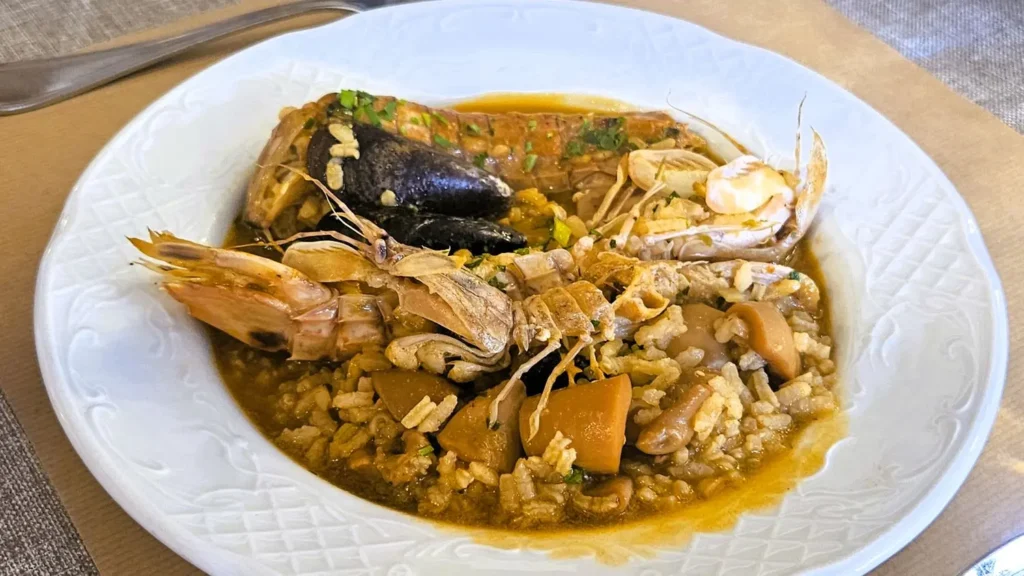
Quiet luxury is also eaten with a spoon and zero pretension. In these vast wetlands, the mix of fresh and saltwater creates an unmatched natural pantry. The acclaimed local Bomba rice and freshly caught seafood from the bay merge in this deeply flavorful, creamy rice dish. This is gastronomy in its purest form: understanding the landscape directly through your palate, with farm-to-table ingredients, far from the crowds.
Bosques del Périgord Noir (Francia):
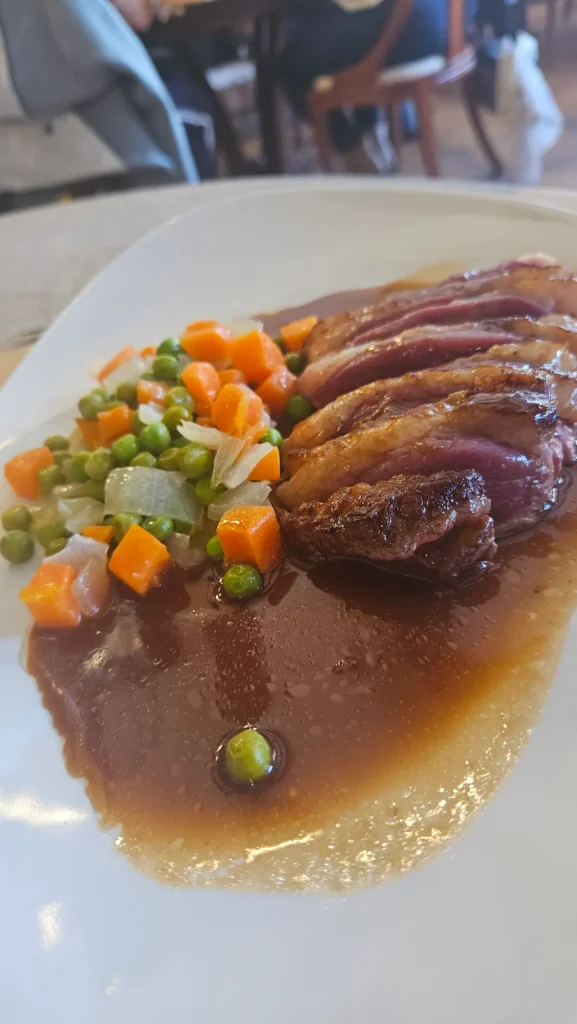
The richness of this clay soil isn’t just hidden underground in the form of black truffles, or in the branches of its immense walnut trees. The true gastronomic emblem of these oak forests is the duck. A good magret, cooked to perfection and bathed in the juices of an ancestral recipe book, represents the quiet luxury of deepest France: hearty tradition, local produce, and zero pretensions.
A Feast of Terroir in the Heart of France (Provence, France):
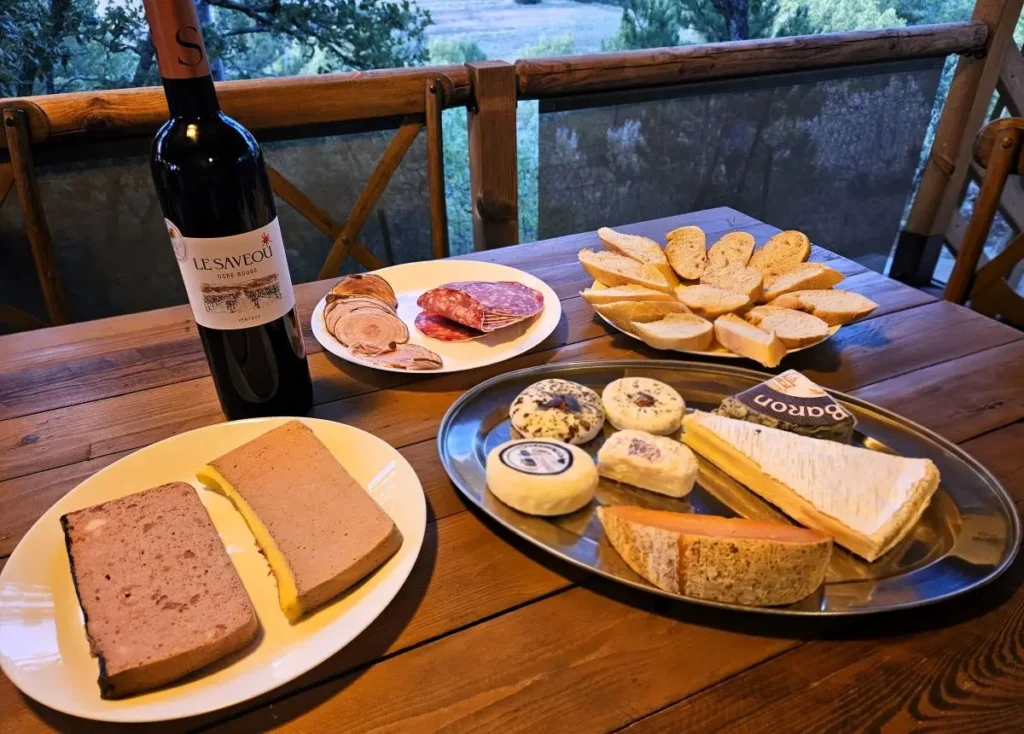
Heading inland, away from the tourist traps, we uncover the true essence of country cooking. This table celebrates the French terroir with honest, shared provisions: a hearty, traditional country terrine, a curated selection of cured meats, and a feast of cheeses—from creamy Brie to bold Morbier. Paired with a Rhône Valley red, rustic bread, and sunset views over a wooded valley, this feast is a tribute to genuine flavor and countryside quiet.
MARKET: The Direct Connectionto Slow Food
The authentic Slow Food buzz. Where the local producer stands behind their harvest.
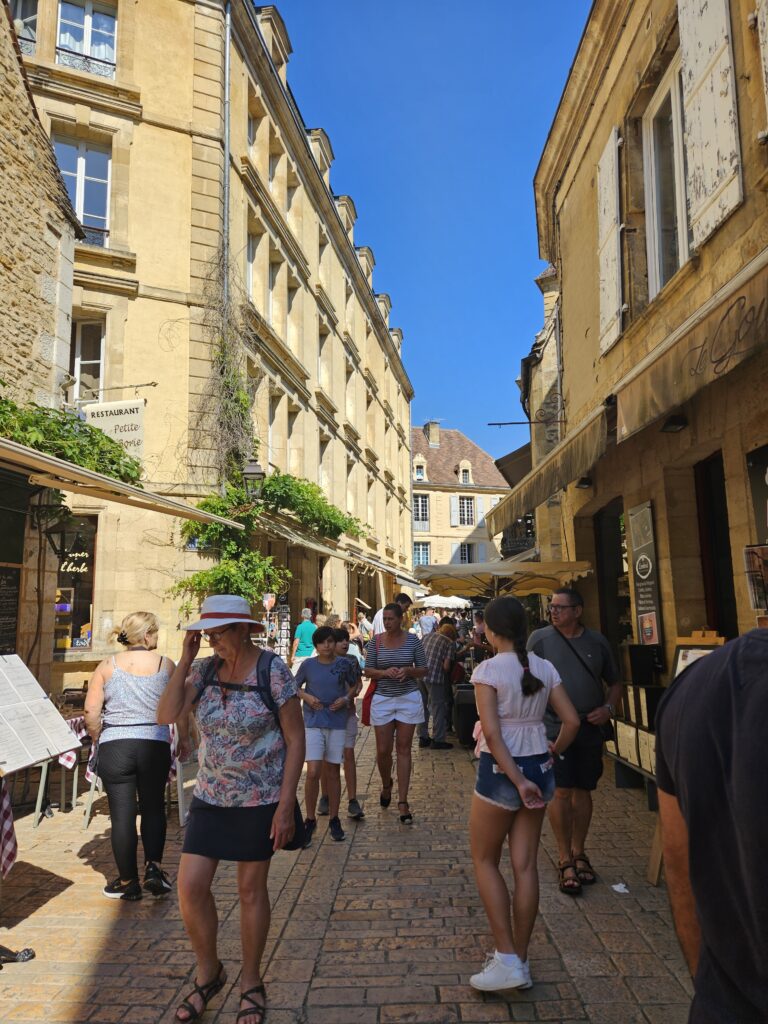
Périgord Markets (France):
We travel to the cradle of fine dining. Forget about supermarkets; here, life revolves around food markets, truffles, and local produce. A feast for the senses, face-to-face with the farmer.
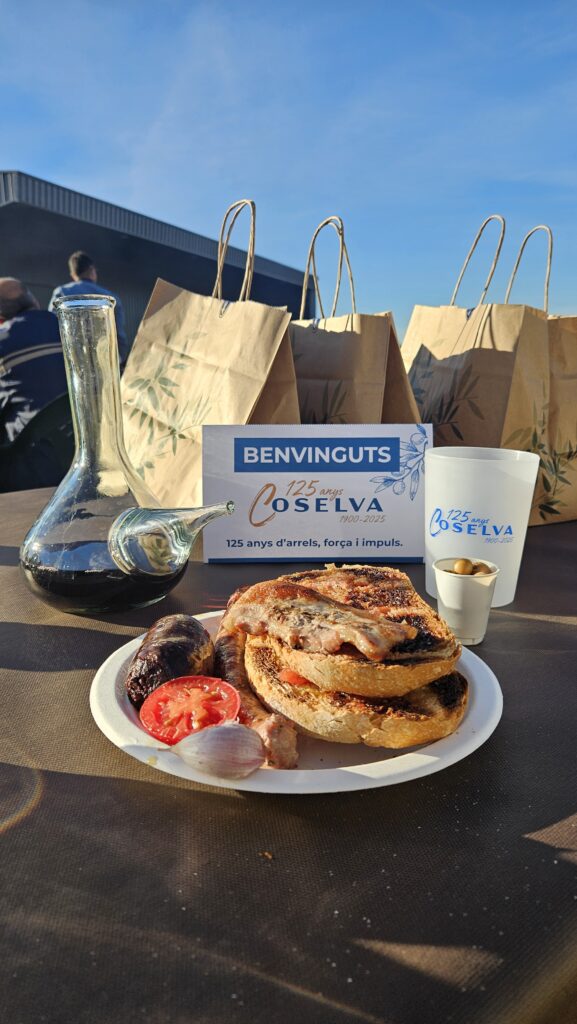
Olive Oil Fairs (Spain):
Participating in these local “Festes de l’oli” festivals in Catalonia is the best way to understand living tradition, buying freshly pressed oil directly from the village cooperatives.
TABLE: The Unpretentious Meal
The end of the journey. Enjoying the product at your own pace, respecting traditional recipes.
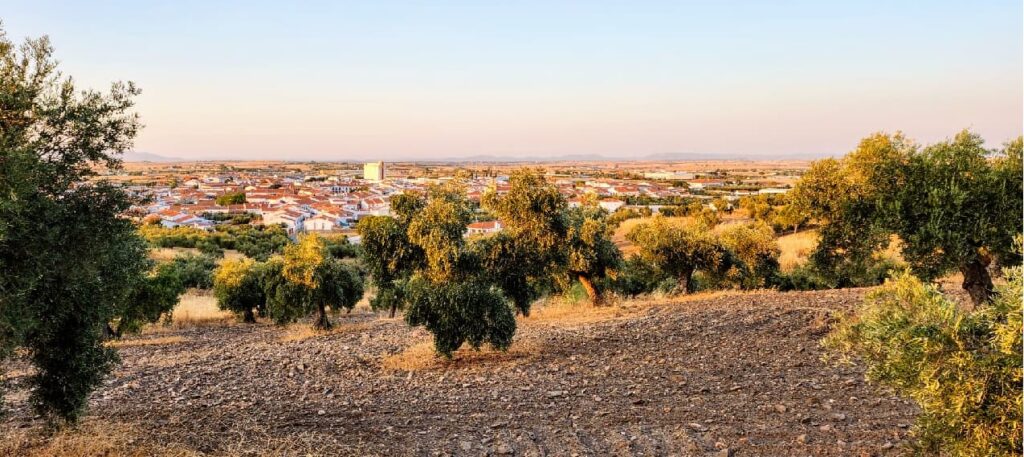
Los Pedroches (Córdoba):
The dehesa (pastureland) needs no linen tablecloths. In fact, here, the honest plate—whether it’s acorn-fed Iberian pork or traditional game recipes—is meant to be savored while gazing at the horizon. Tasting this slow food gastronomy with the silhouette of Alcaracejos and olive groves in the background is true immersion. Less posturing, more flavor of holm oak and sun.
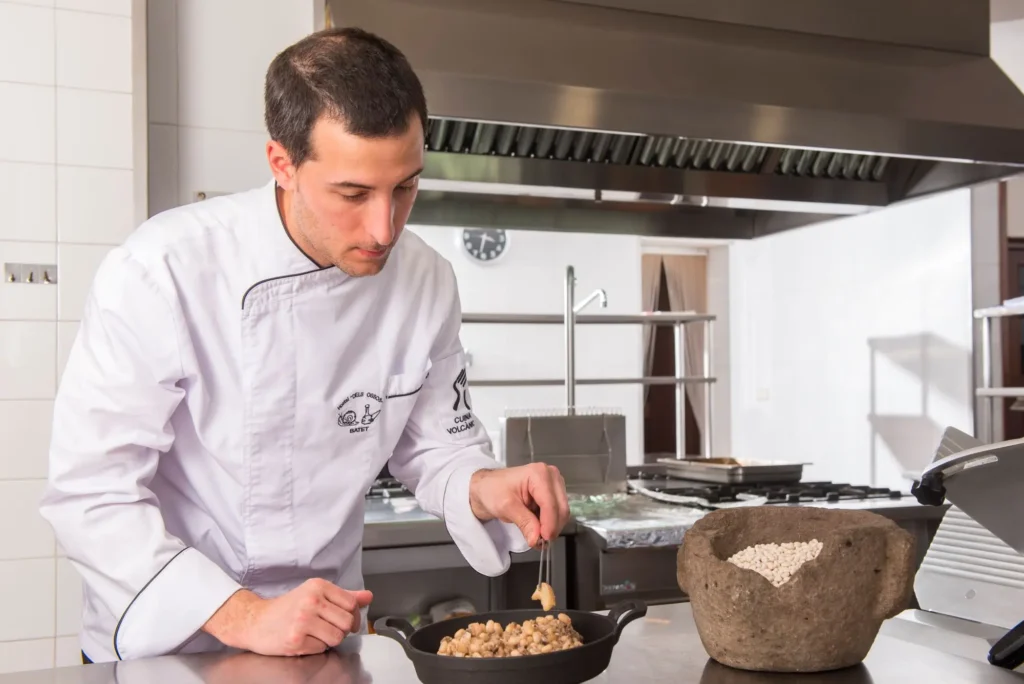
La Garrotxa and its “Volcanic Cuisine” (Girona):
Trails that end right at the table. The fertile soil of dormant volcanoes yields zero-kilometer dishes like Fesols de Santa Pau, directly connecting your palate to the hike you just finished.
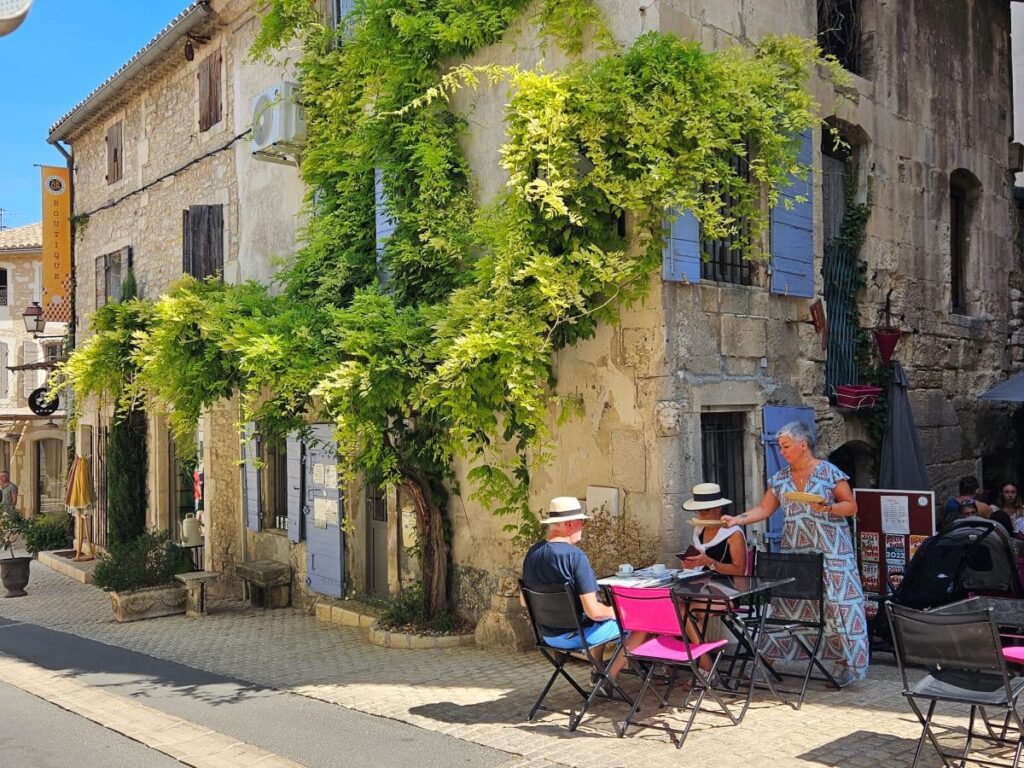
The Slow Food backyard of Provence(France):
Fleeing the tourist-trap bistros with menus in five languages. The true Provencal table is pure Slow Food: a traditional stew cooked for hours. It is savored in the sun, on the terrace of a stone farmhouse, where the only background noise is the wind and the murmur of those enjoying the moment unhurriedly.
SENSORY CHECK: Plan B (Neurodivergent Travelers & Families)
We know that traditional markets and food fairs (like the Festes de l’Oli or the Périgord markets) can be a nightmare of noise, intense smells, and crowds. If you feel sensory overload is going to cause a block, you have to cross it off the main itinerary and activate Plan B:
- Market alternatives: Instead of heading to the town square at rush hour, visit the farmhouses, rural estates, or cooperatives on the outskirts directly. You’ll enjoy the exact same product and human connection in a 100% quiet and controlled environment.
- Strategic parking: Avoid urban centers at all costs. Always look for park-and-ride lots on the outskirts of town and walk 10 to 15 minutes to clear your head before entering the hustle and bustle.
- Timing: If you really want to experience the market, go first thing in the morning (8:00 AM). Zero crowds, the vendors are much more relaxed, and you keep your energy intact for the rest of the day.
Your essential slow food gear
For a mindful slow food route, respecting the environment is non-negotiable. Here are the absolute essentials:
- Cloth bags and reusable containers: Markets in the Périgord and local food fairs strongly promote a “Zero Plastic” policy. Bring your own logistics.
- Tote bags: If you want a lightweight and ethical option for your market hauls, these fair-trade bags are the perfect alternative to plastic, plus they double as a great souvenir.
- Cash: Many small local producers in remote rural areas don’t care about your Apple Pay or credit cards. Bring physical money.
- Portable cooler: Absolutely essential to keep the cold chain intact if you plan to buy cheese, cured meats, or fresh produce directly from the farm to take home. Thermal backpacks (made from recycled materials) are our top pick because they don’t hog half the trunk and will literally save your trip.
* As an Amazon Associate I earn from qualifying purchases.
Conscious Logistics: Regulations and Overnight Stays
Slow travel and enjoying slow food implies respecting the place where those foods grow. Here is a quick guide to protecting the environment and avoiding fines:
El Périgord (France)
- ⚠️ Regulations: The centers of medieval villages are pedestrian-only or have highly restricted access.
- ✅ Logistics for car: Always use the designated park-and-ride lots located on the outskirts.
- ✅ Logistics for motorhome: The region is very “Camper Friendly.” Use the municipal area network or, better yet, the France Passion formula to stay overnight for free at the farms of the local producers themselves.
Delta del Ebro
- ⚠️ Regulations: Extremely fragile ecosystem. Overnight stays are prohibited in protected zones like the Barra del Trabucador.
- ✅ Logistics for car: Park solely and exclusively in delimited areas to avoid destroying the flora surrounding the rice fields.
- ✅ Logistics for motorhome: Use the Casa de Fusta area to stay overnight in total peace facing the wetlands.
Prades Mountains and La Garrotxa
- ⚠️ Regulations: As these are Natural Parks, wild camping/overnight stays are strictly controlled and restricted.
- ✅ Logistics for car: During Festes de l’Oli (Oil Festivals) or local fairs, park on the outskirts before entering the village; main streets are usually closed to traffic.
- ✅ Logistics for motorhome: In La Garrotxa, use the Besalú area or campsites like Lava Ecològic. In Prades, Camping Prades Park has excellent facilities to set up your base.
Los Pedroches (Córdoba)
- ⚠️ Regulations: This region is a Starlight Reserve. Respect the darkness at night and avoid unnecessary light pollution. Remember that the dehesa (the oak forest) is private property; do not enter pastures without permission, as you could disturb the livestock (Iberian pigs).
- ✅ Logistics for car: Park at the designated areas at the entrance of towns like Villanueva de Córdoba or Dos Torres. The historic centers are beautiful but have very narrow streets and limited maneuverability.
- ✅ Logistics for motorhome: Use the municipal areas in Villanueva de Córdoba, Hinojosa del Duque, or Pozoblanco. These areas are strategically located to enjoy the “Starlight” sky right from your camper.
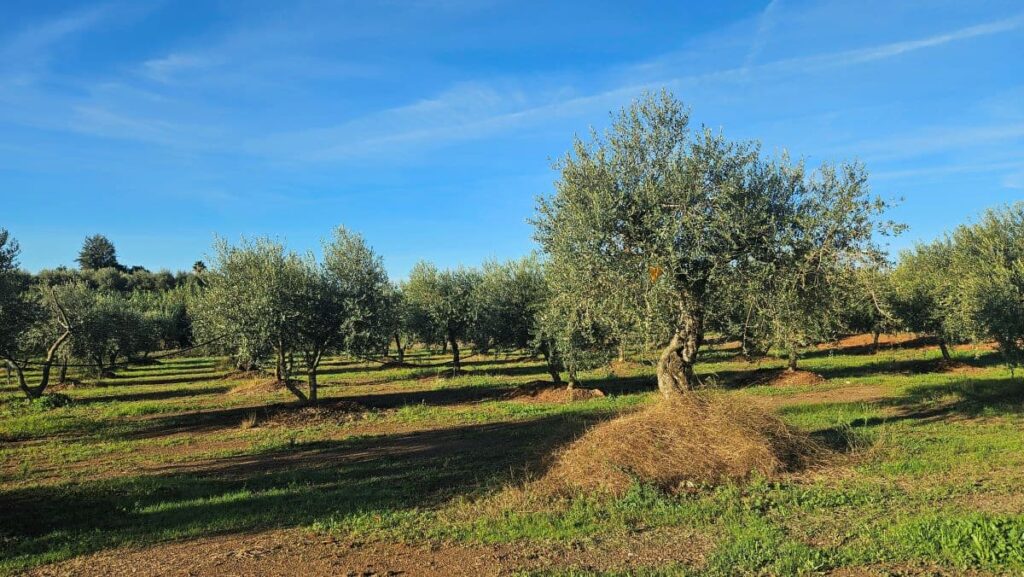
The Secret Pantry: Gastronomic Intelligence in Your Inbox
On this page, we’ve only served the appetizer. The exact coordinates of small producers, isolated farmhouses, and the precise dates of fairs where you can truly buy direct without middlemen are not published openly. If we did, herd tourism would take two days to overcrowd them and ruin the local essence. We like to bring it to light, but on our own terms and far from the masses.
In our newsletter, we deliver pure, real-time travel intelligence. We give you a heads-up on where to taste the region’s ethical gastronomy. Pure tradition, zero tourist-trap bistros, and the authentic pantry straight to your email.
-
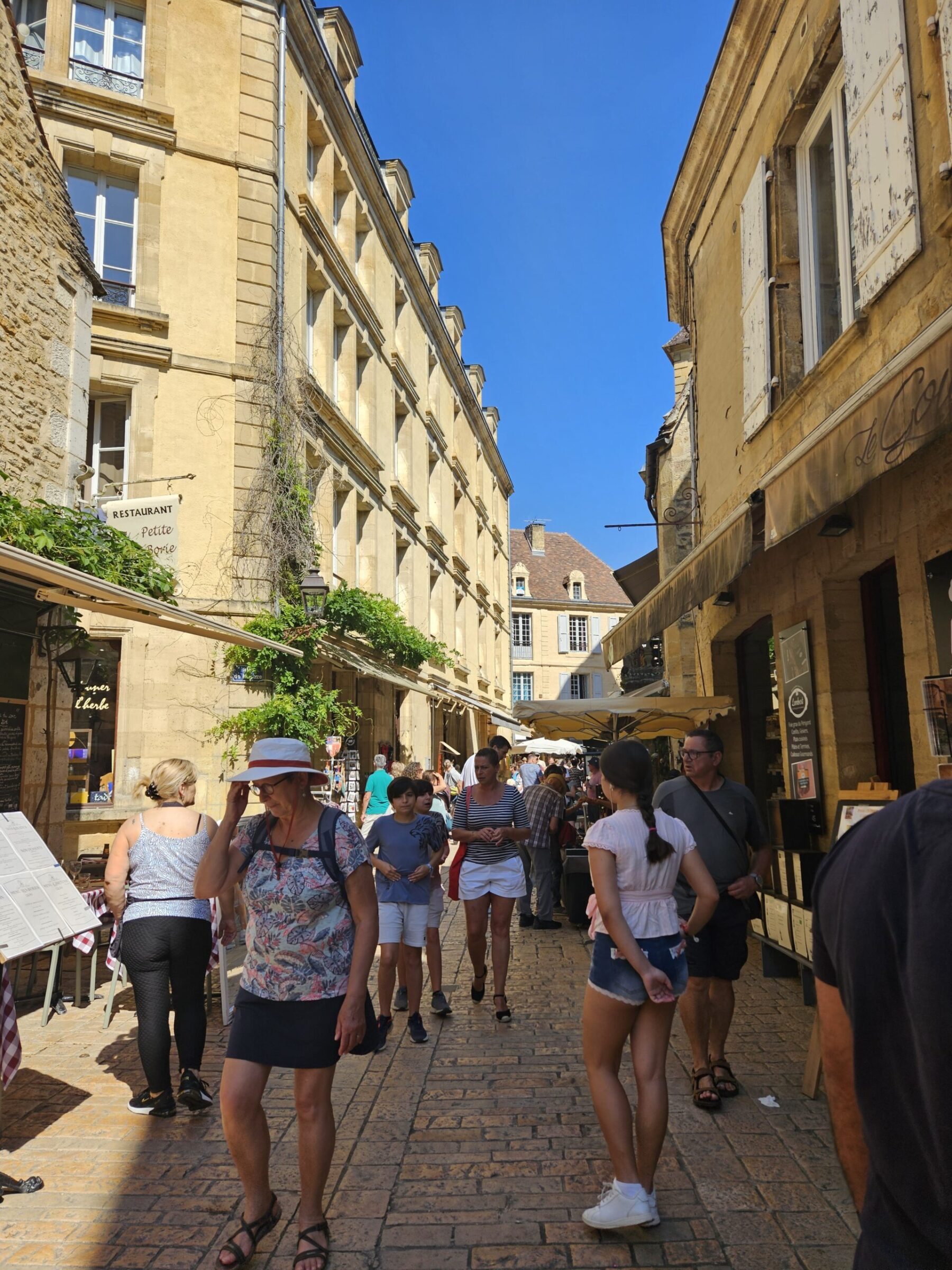
Dordogne Markets: Hidden Gems and Local Flavors