Sustainable Travel: The Luxury of Silence
Sustainable travel through the hidden treasures of Spain and Southern France.
Beyond the path
At Viajeros con Estrella, adventure isn’t measured in speed, but in the depth of the experience. True luxury today is found in silence, untouched landscapes, and the ability to observe sustainable travel without altering it.
We have divided our guide into three essential elements: Earth, Sky, and Water.

EARTH

SKY
WATER
The Heart of the Earth
Walking through a UNESCO Global Geopark is more than just sport; it’s reading the planet’s memory. Here, geology shapes the landscape, history, and even the local flavors. We present the key highlights of our geography.
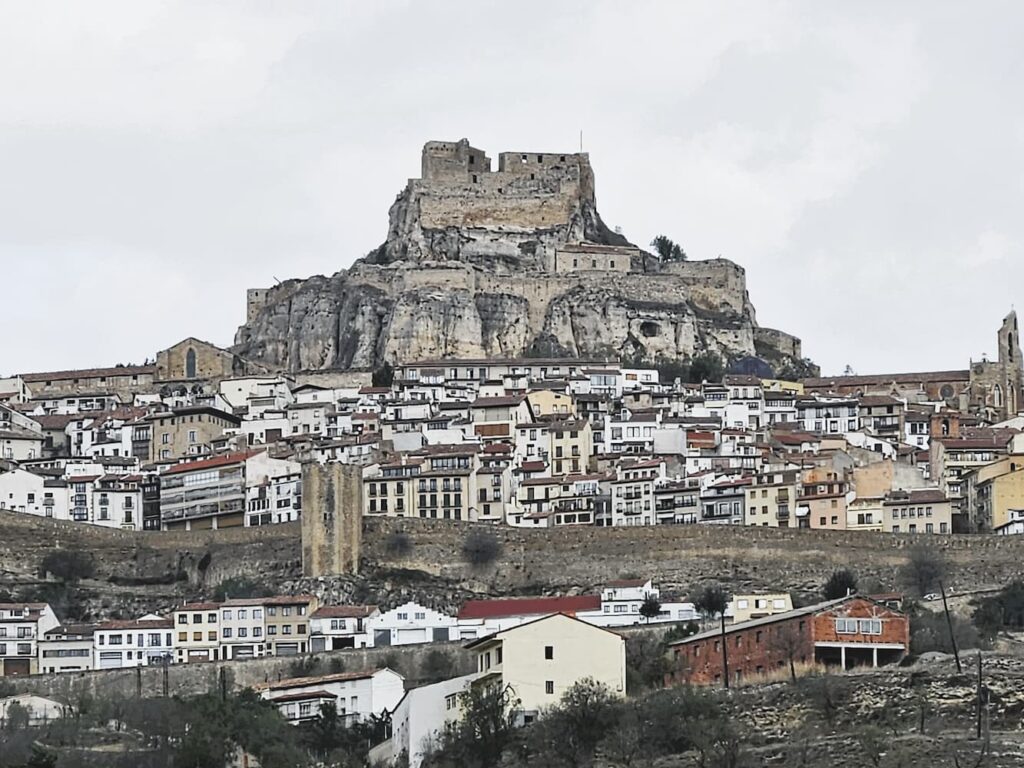
Maestrazgo UNESCO Global Geopark
Starting from the imposing Morella, we venture into a nature where silence is absolute. Here, limestone has sculpted monuments like the Organos de Montoro and the Crystal Caves, weaving geology together with the Templar history of Mirambel and Cantavieja.
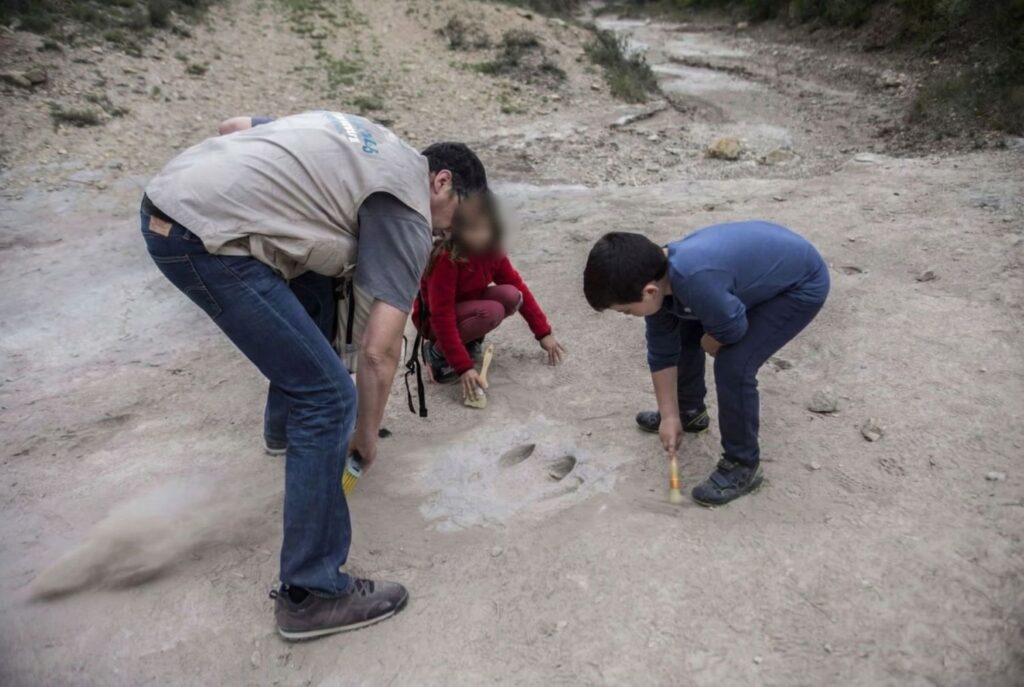
Geoparque Orígens (Lleida)
We travel to the remote past in the Pre-Pyrenees. At the Mirador del Cretaci in Coll de Nargó, you will literally walk among fossilized dinosaur nests and eggs. This is sustainable nature at its most ancient: a unique low-impact heritage tourism experience in Europe.
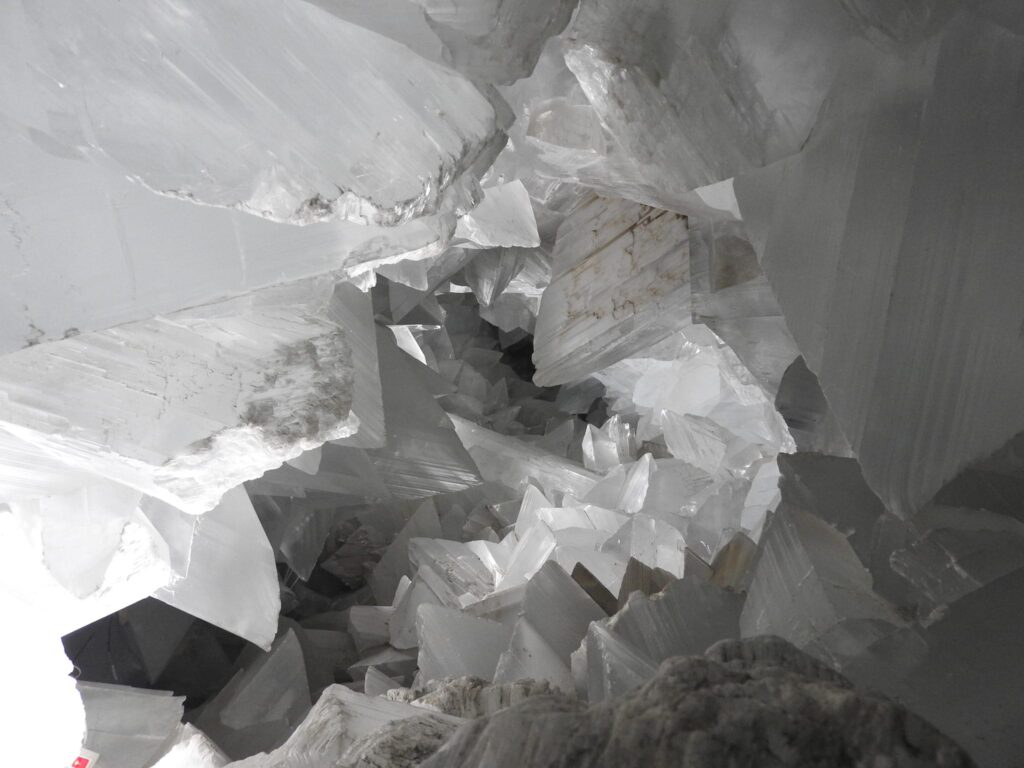
The Giant Geode of Pulpí (Almería)
A subterranean natural ‘cathedral’ lined with giant gypsum crystals. As a world-unique geological wonder, it requires extreme conservation efforts to protect its integrity.
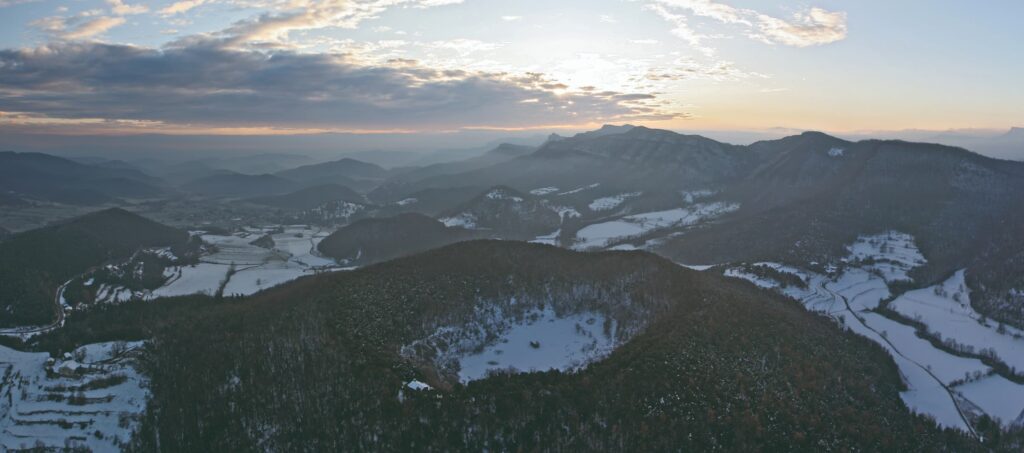
La Garrotxa Volcanic Zone (Girona)
Explore the gentle paths of La Garrotxa, where the Fageda d’en Jordà beech forest grows uniquely on ancient lava flows. Discover dormant volcanoes like Croscat and experience sustainable travel through ‘Volcanic Cuisine,’ a local gastronomic tradition that connects the fertile land directly to your table.
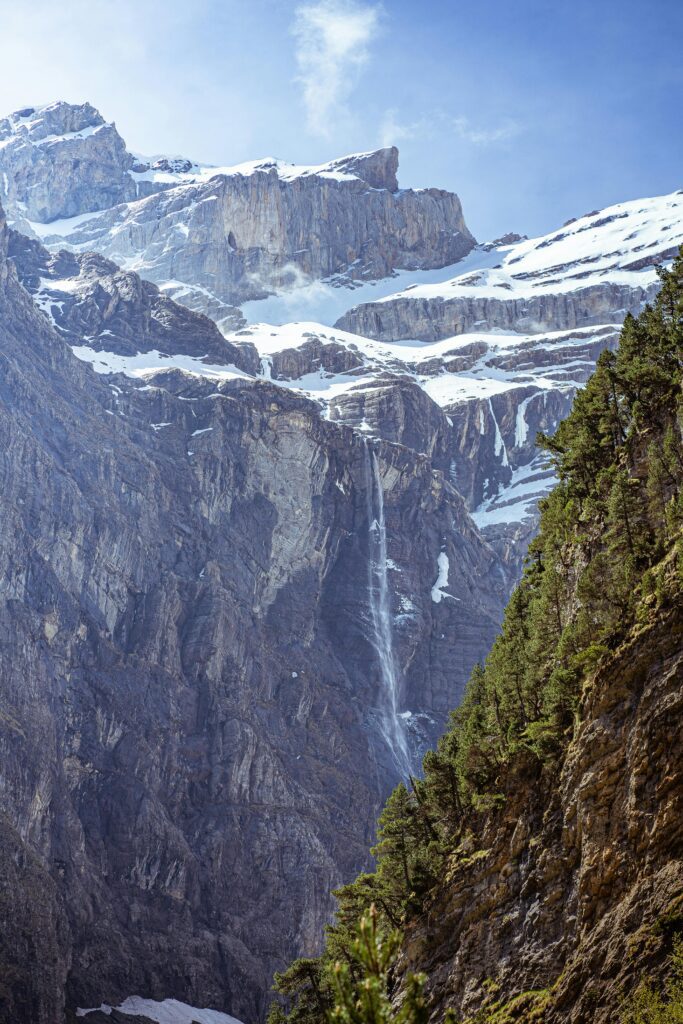
Pyrenees National Park (France)
The vertical frontier. We highlight the Cirque de Gavarnie, a UNESCO World Heritage site where waterfalls plunge from heights of 400 meters. This is the mountain in its purest form—majestic, silent, and surprisingly accessible for a day’s exploration.
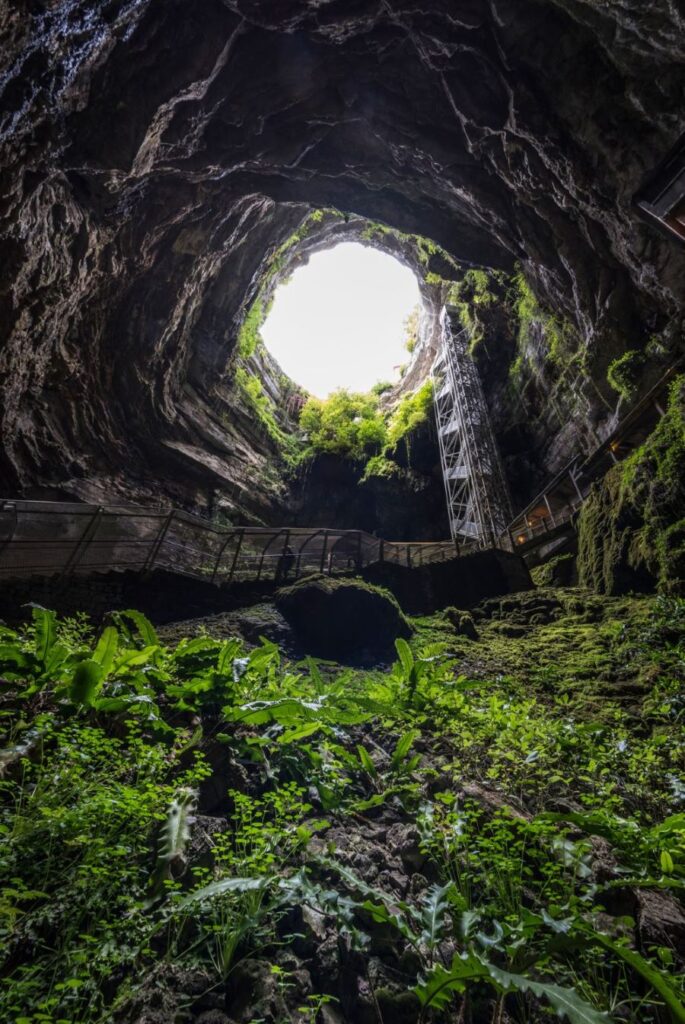
Causses du Quercy UNESCO Global Geopark (France)
The kingdom of karst landscapes near the Dordogne. Here, adventure means descending into the depths of the Gouffre de Padirac or exploring caves with prehistoric art, weaving together geology and the very first steps of human creativity. A profound connection with nature and our origins.
THE LUXURY OF DARKNESS
True nocturnal adventure requires escaping artificial light. We have selected Starlight-certified destinations where protecting the night sky is a priority, offering a profound connection to sustainable travel under the stars.
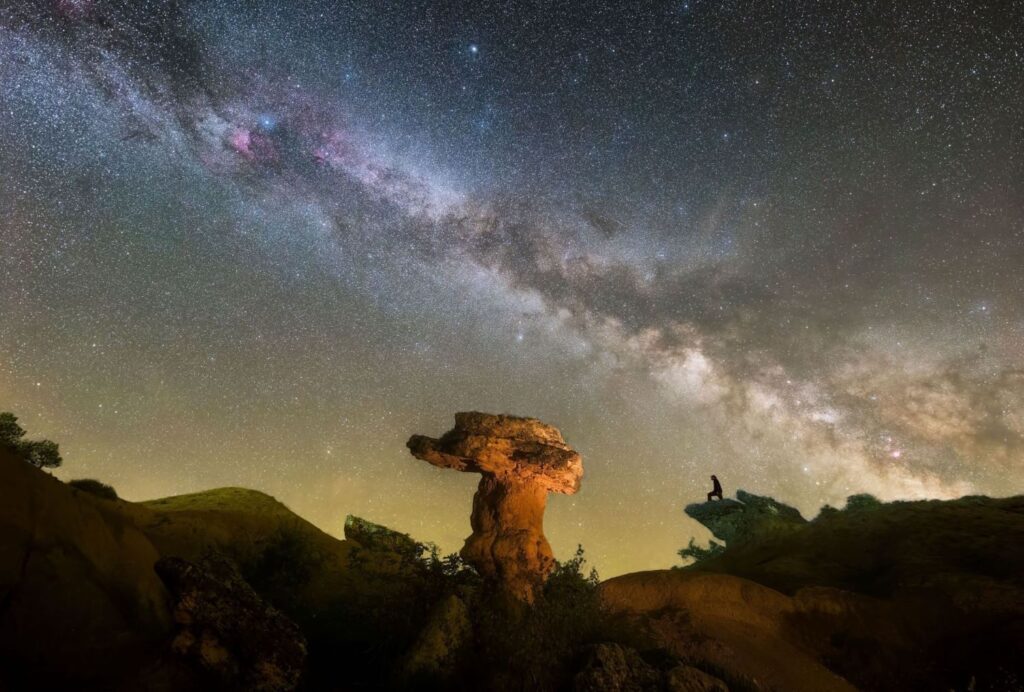
Montsec Starlight Reserve (Lleida)
A world-renowned Starlight Reserve and the ideal location for rigorous scientific observation. At the Montsec Astronomical Park (PAM), you can truly grasp the magnitude of the cosmos, connecting with the universe in one of the most protected night skies in Europe.
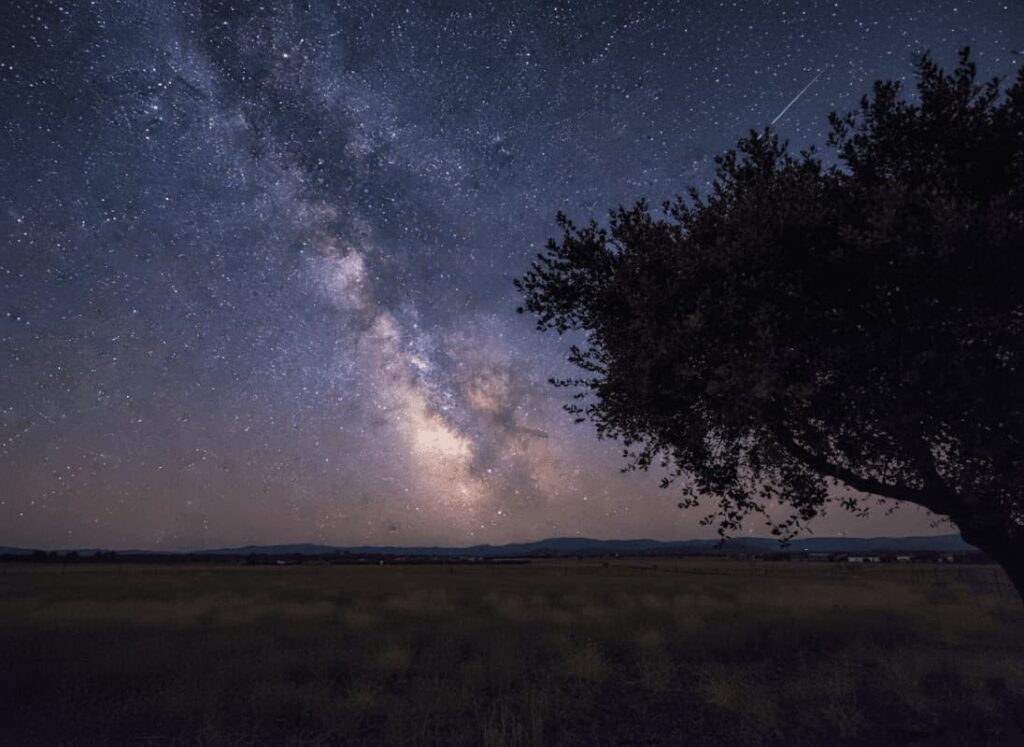
Los Pedroches Starlight Reserve (Córdoba)
In the north of Córdoba, the ancient oak pastures—known as dehesas—of Los Pedroches provide a natural stage for the stars. This Starlight Reserve offers a unique landscape where rural tradition meets the infinite beauty of a protected night sky, preserving nature as it was centuries ago.
BLUE ECOSYSTEMS: Water and Wellbeing
Water is the architect of the landscape and the source of life. Our sustainable travel proposal, ‘Blue Eco-tourism’, avoids crowded beaches in favor of a quiet immersion in wetlands, living rivers, and thermal waters—places where biodiversity and wellbeing flow at the same pace.
Ebro Delta Natural Park (Tarragona)
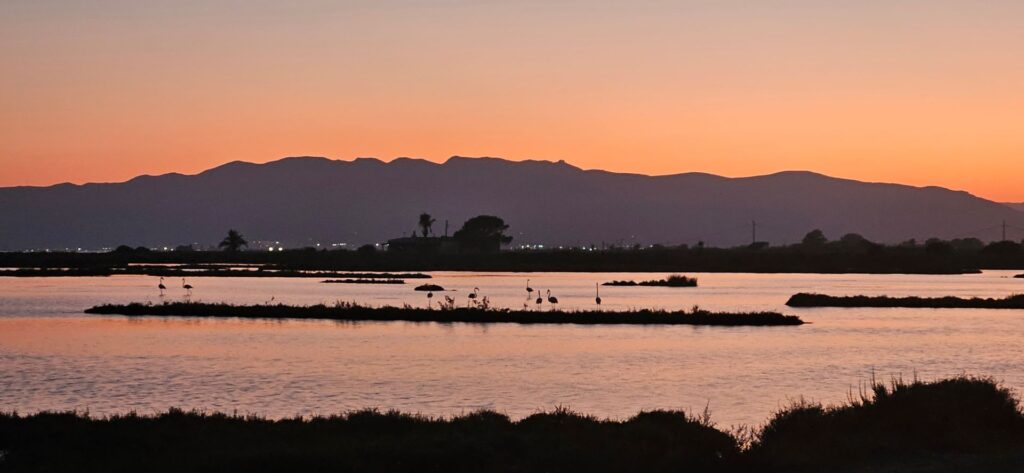
In the Ebro Delta, time seems to stand still. This vast wetland is one of the most important birdwatching sanctuaries in Europe, where the slow rhythm of the water and the sunset light offer a pure connection with nature.
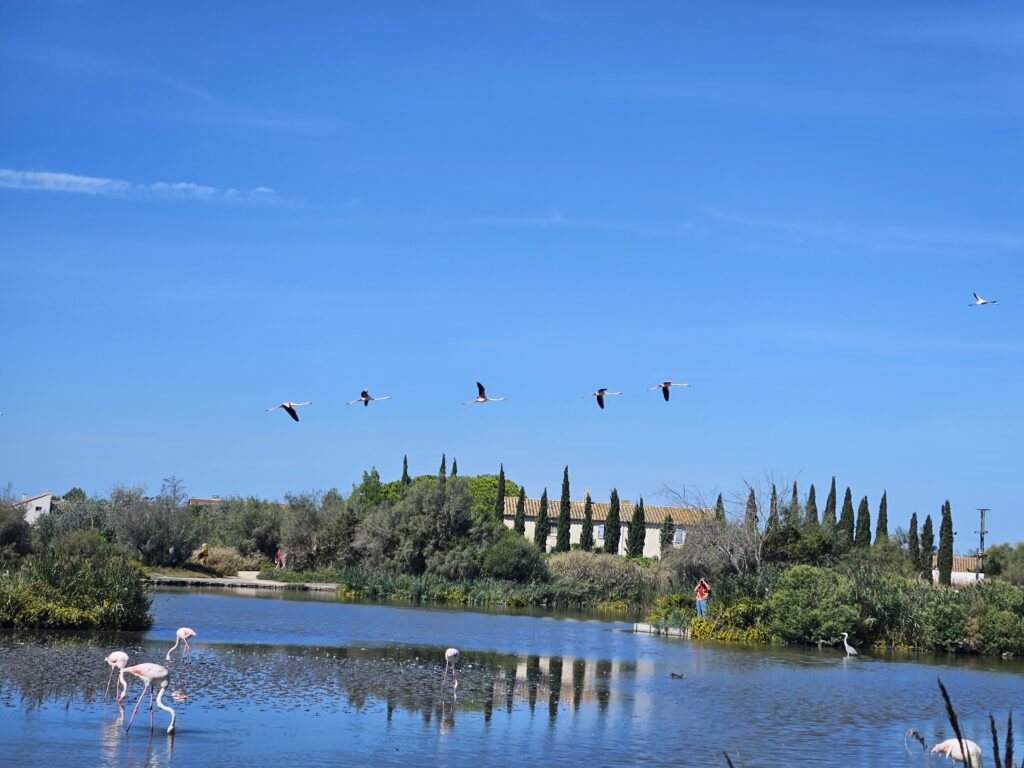
The Camargue (Rhône Delta): Wild Territory
The wild sibling of the Ebro. A territory of infinite marshes, white horses, and bulls. Here, the gardian culture blends with river tourism focused on observation, silence, and absolute respect for wildlife. Experience nature in its purest form in one of Europe’s most iconic wetlands.
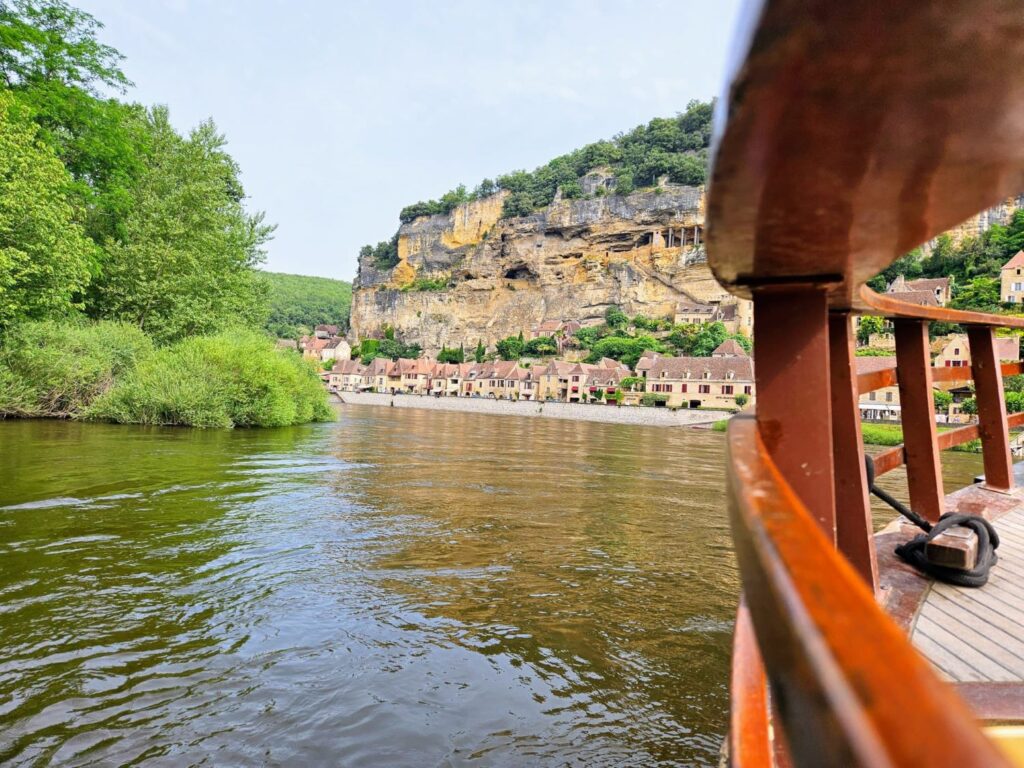
The Dordogne Valley: Castles on the Water (France)
Descending the Dordogne River in a canoe or a traditional gabarra allows you to admire history from below. You will pass through the legendary ‘Valley of the Castles’, viewing medieval fortresses from the water’s perspective, blending gentle sport with a profound connection to sustainable travel and heritage.
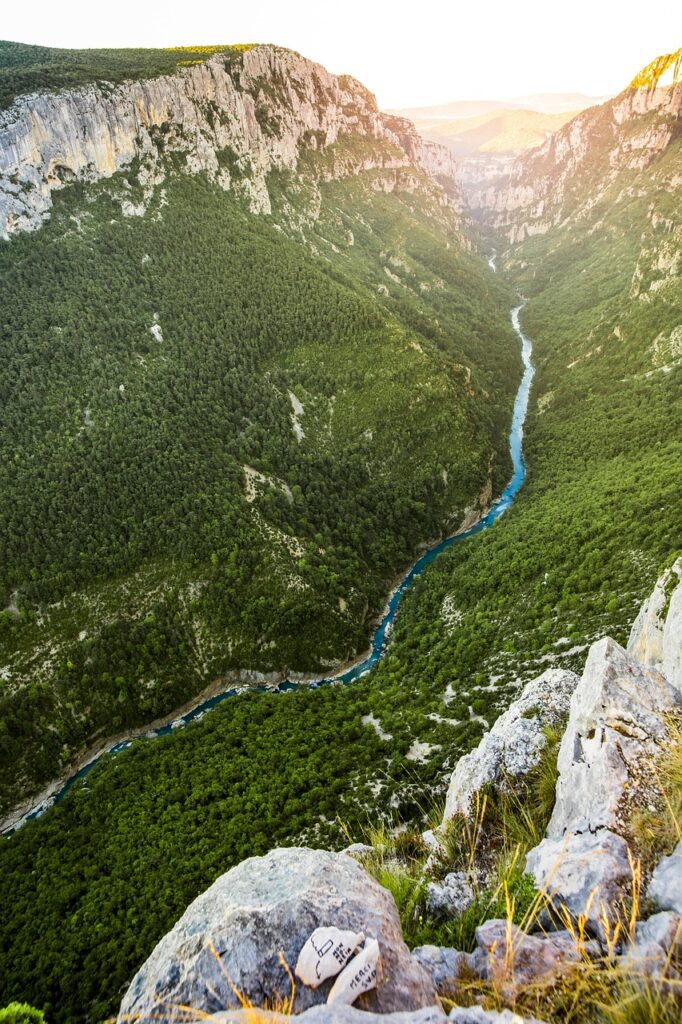
Verdon Gorge: Europe’s Grand Canyon (France)
Deep turquoise waters flow between 700-meter limestone walls. A paradise for kayaking and water hiking where geological scale meets the purity of the water. It offers a unique perspective of the largest canyon in Europe.
Sustainable Travel: Your Essential Gear.
To travel mindfully, you don’t need a lot of equipment, but you do need the right kind. Here are the essentials for exploring nature while leaving no trace.
Exploration Essentials
Footwear & Conservation: Mandatory for entering the Pulpí Geode and all cave systems. Flip-flops and sandals are strictly prohibited for safety and conservation.
Reusable bottle: We promote a “Zero Plastic” policy. Please carry your own bottle to help keep our destinations pristine.
No-flash photography: Required out of total respect for prehistoric art and sensitive underground ecosystems.
Astrotourism & Eclipses
Red light flashlight: Vital to prevent glare and maintain your eyes’ adaptation to the dark.
Thermal clothing: Even in summer, temperatures in places like Prades or Montsec drop drastically at night. (also for solar eclipses)
10×50 Binoculars: The best introductory tool to explore the cosmos before moving to a telescope.
ISO-certified solar glasses: Safety is paramount. Never observe a solar eclipse without certified, high-quality filters to protect your vision.
Solar filters for optics: Essential for cameras and binoculars to prevent permanent damage to both the equipment and your vision during an eclipse.
Blue Eco-tourism
Biodegradable sunscreen: Essential for swimming in La Fontcalda or rivers without contaminating the water.
Natural repellent: Your best ally in the Ebro Delta and the Camargue at sunset.
Dry bag: Protects your valuables while kayaking.
Mindful Logistics: Regulations and Stays
Traveling slow means respecting local laws. These protected zones have strict regulations to preserve their integrity. Here is your quick guide to avoiding fines and preserving the environment:
La Garrotxa Volcanic Zone (Girona):
Parking: Remember to pre-book your parking space at Can Serra if you plan to visit the Fageda d’en Jordà forest.
Regulation: Wild camping is strictly restricted throughout the entire Natural Park.
Advice: We recommend using the Camping Lava Ecològic (Santa Pau) or the dedicated motorhome area in Besalú.
Ebro Delta and The Camargue
Regulation: These are fragile ecosystems. In the Ebro Delta, overnight stays are strictly prohibited at the Barra del Trabucador to protect the nesting sites and the shoreline.
Advice: We recommend using the dedicated motorhome area at Casa de Fusta in the Delta. In the Camargue, look for authorized areas in Saintes-Maries-de-la-Mer.
Maestrazgo and the Pyrenees
Maestrazgo: A officially designated “Camper Friendly” territory. You will find quiet, well-maintained motorhome areas in the historic villages of Cantavieja and Mirambel.
Gavarnie (Pyrenees): Village parking requires a fee. For a better experience, head to the dedicated Camping-Car Area located on the uphill access road; it offers spectacular vertical views of the Cirque.
Astrotourism Montsec
Light Management: Cover your windows when staying overnight. Interior light pollution from your vehicle spoils the observation experience.
Recommendation: The Àger campsite is specifically adapted for astronomers.
Los Pedroches Valley (Córdoba)
Regulation: You are in the largest dehesa (ancient oak pasture) in Europe. Please respect private property and free-roaming livestock.
Advice: For overnight stays and stargazing, look for Starlight-certified rural accommodations or the dedicated motorhome area in Alcaracejos.
On this page, we’ve only scratched the surface. The exact coordinates of that uncrowded forest clearing, the light-pollution blind spots where you can see the Milky Way alone, or the secret natural pools that aren’t on Instagram, are not published openly. If we did, herd tourism would destroy the ecosystem and ruin the silence in two days. We like to bring it to light, but while protecting the environment.
In our newsletter, we send pure travel intelligence. At the end of every month, we send you our confidential selection of what is genuinely worth exploring in nature the following month.
Pure nature, zero mass crowds, and the luxury of silence, straight to your email.